
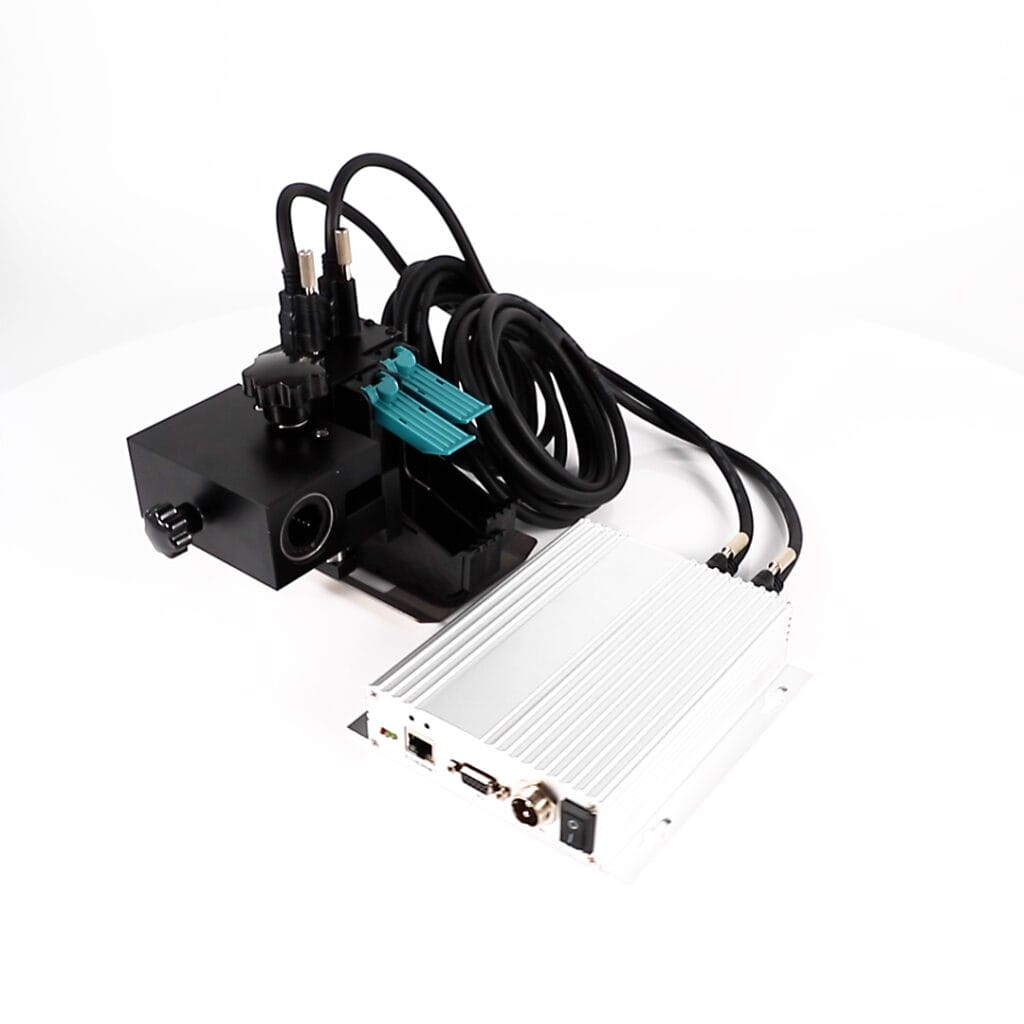
In the rapidly evolving landscape of digital printing, thermal inkjet (TIJ) technology has emerged as a cornerstone for high-precision, cost-effective solutions across industries. From biomedical devices to flexible electronics and industrial packaging, TIJ’s ability to deposit materials at micro-to-nano scales has revolutionized manufacturing workflows. Originally pioneered by HP in the late 1970s, this technology leverages heat-driven mechanisms to eject ink droplets with remarkable accuracy, making it indispensable for applications demanding both speed and detail.
Thermal inkjet printing technology is a non-contact, heat-driven method that uses localized heating elements to vaporize ink, creating bubbles that propel droplets onto substrates. This process enables precise material deposition at resolutions up to 1200 DPI, with droplet volumes as small as 10 picoliters.
As industries increasingly prioritize sustainability, customization, and miniaturization, TIJ’s versatility has expanded beyond traditional printing. Innovations in ink formulations—from conductive nanoparticles to biocompatible hydrogels—have unlocked new frontiers in electronics, healthcare, and smart packaging. This article delves into the mechanics, components, and transformative applications of TIJ, providing actionable insights for businesses aiming to integrate this technology into their operations.
1. How Thermal Inkjet Printing Works: The Science Behind Droplet Formation
Thermal inkjet (TIJ) printing operates by rapidly heating ink to generate vapor bubbles, which propel precise droplets through nozzles onto a substrate. This process combines thermodynamics, fluid dynamics, and material science to achieve micro-to-nano-scale deposition.
1.1 Key Stages of Droplet Formation
- Heating and Bubble Nucleation
A microheater—a thin-film resistor embedded in the printhead—applies a short electrical pulse (2–5 microseconds) to raise the ink temperature to approximately 300°C within nanoseconds. This localized heating vaporizes a thin layer of ink, creating a vapor bubble that expands rapidly. The sudden pressure increase forces the ink above the bubble toward the nozzle.
- Droplet Ejection
As the bubble expands, it pushes a 10–150 picoliter (pL) droplet through the nozzle (typically 10–50 µm in diameter). The droplet’s size depends on factors like pulse duration, ink viscosity, and nozzle geometry. For example:- Low-viscosity inks (1–20 cP) optimize bubble dynamics and nozzle refill rates.
- Smaller nozzles enable finer droplets but increase clogging risks.
- Bubble Collapse and Refill
Once the pulse ends, the bubble collapses, creating a vacuum that draws fresh ink into the chamber from the reservoir. This cyclical process repeats at frequencies up to 30 kHz, enabling high-speed printing.
1.2 Critical Parameters Influencing Droplet Dynamics
For instance, bio-inks with living cells require additives like surfactants (e.g., SPAN 80) to reduce surface tension and prevent droplet coalescence. Similarly, conductive nanoparticle inks (e.g., silver) demand precise viscosity control to avoid nozzle clogging.
2. Core Components of a Thermal Inkjet System
A thermal inkjet (TIJ) system comprises a printhead with integrated microheaters, ink reservoirs, fluidic channels, control electronics, and temperature management mechanisms. These components work synergistically to achieve precise droplet ejection, high-resolution printing, and industrial scalability.
2.1 Printhead Architecture
The printhead is the core module, fabricated using MEMS (Micro-Electro-Mechanical Systems) technology to integrate thousands of nozzles on a silicon substrate.
- Microheaters: Thin-film resistors made of tantalum-aluminum (TaAl) alloys generate localized heat pulses (2–5 µs) to vaporize ink. These resistors are embedded in a protective layer of silicon carbide (SiC) to prevent corrosion and extend lifespan.
- Nozzle Array: Nozzles (10–50 µm diameter) are laser-drilled or photolithographically patterned, with densities exceeding 600 per inch in advanced designs like HP’s Scalable Printing Technology (SPT).
- Ink Chambers: Each nozzle connects to a microfluidic chamber (volume: ~100 pL) that stores ink temporarily before ejection.
Key Innovations:
- CMOS/MEMS Integration: Modern printheads embed drive circuits and logic controllers directly on the silicon substrate, reducing external wiring and enabling “smart” printheads with bidirectional operation.
- Multi-Nozzle Redundancy: Systems like Toshiba’s CF3 series incorporate backup nozzles to compensate for clogged units, ensuring uninterrupted printing.
2.2 Ink Delivery System
The ink delivery system ensures stable ink flow, pressure regulation, and material compatibility.
- Ink Cartridges: Disposable cartridges store functional inks (e.g., aqueous dyes, conductive nanoparticles) with capacities ranging from 42 mL (standard) to 54 mL (industrial).
- Fluidic Channels: Microchannels (width: 20–100 µm) transport ink from reservoirs to chambers via capillary action. Anti-clogging designs include tapered geometries and surfactant additives (e.g., SPAN 80).
- Pressure Regulation: Passive air management systems balance internal pressure to prevent ink leakage or bubble collapse residuals.
Material Compatibility:
2.3 Control Electronics
Electronics govern droplet timing, energy delivery, and system diagnostics.
- Drive Circuits: Generate voltage pulses (20–30 V) to activate microheaters. Advanced multiplexer architectures reduce I/O ports—e.g., a 432-nozzle array requires only 10 input lines.
- Waveform Generators: Adjust pulse duration (1–10 µs) and frequency (1–30 kHz) to control droplet size (10–150 pL) and grayscale resolution.
- Temperature Sensors: Monitor printhead temperature in real-time. If temperatures exceed 80°C, the system injects “cooling pulses” (subthreshold heating) to prevent overheating.
Example Workflow:
- Data input (e.g., bitmap image) is processed by an FPGA (Field-Programmable Gate Array).
- Drive circuits activate specific nozzles based on pixel patterns.
- Feedback loops adjust pulse parameters using thermal sensors to maintain consistent droplet velocity.
2.4 Thermal Management System
Temperature stability is critical for ink viscosity control and printhead longevity.
- Heating Elements: Supplementary heaters preheat ink to 40–50°C in low-temperature environments, optimizing viscosity (1–20 cP).
- Heat Sinks: Aluminum or copper fins dissipate residual heat from microheaters, reducing cross-talk between adjacent nozzles.
- Phase-Change Materials (PCMs): Paraffin wax layers absorb excess heat during high-frequency operation, maintaining substrate temperatures below 100°C.
2.5 Auxiliary Modules
Support systems enhance reliability and adaptability:
- Nozzle Cleaning Mechanism: Automated wiping blades and solvent flushes remove dried ink residues during idle periods.
- Calibration Sensors: Optical or capacitive sensors detect misdirected droplets and dynamically adjust nozzle firing sequences.
- Multi-Material Switching: Valveless designs enable rapid ink switching (e.g., alternating conductive and dielectric inks for printed circuits).
3. Industrial Applications: From Microelectronics to Biomedical Engineering
Thermal inkjet (TIJ) printing has emerged as a versatile manufacturing tool, enabling breakthroughs in fields requiring micron-scale precision, rapid prototyping, and material diversity.
Its non-contact deposition method and compatibility with functional materials drive innovation across industries, from creating microelectronic circuits to bioprinting living tissues.
3.1 Microelectronics and Flexible Electronics
TIJ excels in fabricating conductive traces, sensors, and antennas for next-generation electronics.
- Printed Circuit Boards (PCBs):
- Conductivity and Resolution: Conductive ink formulations (e.g., silver nanoparticles) achieve resistivities below 10 µΩ·cm, with line widths as fine as 20 µm.
- Application: TIJ prints interconnects for flexible PCBs used in wearables and IoT devices, offering advantages over traditional lithography in terms of cost and material waste reduction.
- RFID Tags and Antennas:
- Production Speed: TIJ systems print RFID antennas at 300 tags per minute, with read ranges improved by 15% compared to etched counterparts.
- Customization: Variable data printing allows unique identifiers to be embedded during manufacturing.
- Acoustic Wave Devices:
- Example: Surface Acoustic Wave (SAW) filters with 4 µm-thick silver electrodes printed using TIJ reduce signal loss by 20% in 5G communication modules.
3.2 Biomedical Engineering and Bioprinting
TIJ enables precise deposition of biocompatible materials and living cells, advancing personalized medicine.
- Drug Delivery Systems:
- Hydrogel Microparticles: TIJ prints cell-laden hydrogel particles (50–500 µm) with controlled pore sizes (<10 µm) for sustained drug release.
- Bioink Formulations: Alginate and gelatin-based bioinks maintain >95% cell viability post-printing, crucial for enzyme delivery or cancer therapy.
- Tissue Engineering Scaffolds:
- Resolution and Porosity: 3D scaffolds with 50 µm resolution and 80% porosity promote angiogenesis in skin grafts.
- Multi-Material Printing: Layered structures combine stiff polymers (PLA) and soft hydrogels to mimic natural tissue gradients.
- Diagnostic Devices:
- Biosensors: Antibody-functionalized electrodes printed via TIJ detect pathogens like SARS-CoV-2 with 90% sensitivity in 15 minutes.
3.3 Packaging and Logistics
TIJ’s high-speed, on-demand printing meets demands for traceability and sustainability in packaging.
- Smart Packaging:
- Printed Sensors: TIJ deposits pH-sensitive inks (resolution: 600 DPI) on food packaging, with color changes indicating spoilage.
- Temperature Loggers: Conductive traces printed on polyimide films monitor integrity during transport.
- Pharmaceutical Labeling:
- Compliance and Safety: High-resolution (1200 DPI), water-resistant codes meet FDA serialization requirements, reducing counterfeit risks.
3.4 Energy Storage and Photovoltaics
TIJ aids in manufacturing energy devices with complex geometries and improved efficiencies.
- Printed Batteries:
- Thin-Film Lithium-ion: TIJ prints electrode layers (thickness: 5–20 µm) with >98% thickness uniformity, enhancing energy density by 30%.
- Solid-State Electrolytes: Ceramic-polymer composites are deposited at 150°C, avoiding high-temperature sintering.
- Solar Cells:
- Perovskite Layers: TIJ achieves 14% efficiency in printed perovskite solar cells by optimizing droplet spacing (<50 µm) to prevent pinhole defects.
3.5 Automotive and Aerospace
TIJ’s precision and speed make it ideal for functional coatings and lightweight components.
- Conformal Coatings:
- Anti-Corrosion Layers: TIJ deposits polymer-nanoclay composites on complex geometries (e.g., engine parts) with <1 µm thickness variation.
- 3D-Printed Metal Parts:
- Binder Jet Technology: TIJ prints water-based latex binders onto metal powder beds, enabling complex titanium aerospace components with 99.5% density after sintering.
4. Advantages and Limitations Compared to Competing Technologies
Thermal inkjet (TIJ) technology offers distinct cost, speed, and resolution benefits but faces challenges in material compatibility and durability when compared to alternatives like piezoelectric inkjet, laser marking, and screen printing. A thorough comparison helps businesses select the optimal technology for their workflow.
4.1 Advantages of Thermal Inkjet Printing
- Cost Efficiency and Scalability
- Low Capital Expenditure: TIJ systems require minimal upfront investment (e.g., 10K–50K for industrial setups vs. $100K+ for piezoelectric systems).
- Disposable Printheads: Replaceable printheads lower maintenance costs, avoiding the need for specialized technicians to repair fixed parts.
- Ink Economy: Material waste is reduced to <5% compared to 30–50% in screen printing due to precise drop-on-demand (DOD) deposition.
- High Speed and Resolution
designed for bulk production:- Print Speeds: Achieve 200–300 m/min (e.g., industrial label printers like HP’s PageWide series).
- Resolution: Up to 1200 DPI with droplet volumes as small as 10 picoliters, enabling 20 µm line widths for microelectronics.
- Material Versatility
TIJ supports functional materials that are challenging for other technologies:- Aqueous Inks: Ideal for food-safe packaging and biocompatible applications.
- Conductive Nanoparticles: Silver and copper inks with <50 nm particle sizes.
- Bio-Inks: Cell-laden hydrogels with >95% viability post-printing.
- Eco-Friendliness
- Water-Based Formulations: Reduce VOC emissions by 80% compared to solvent-based UV resins.
- Energy Efficiency: Consumes 60% less energy per print cycle than thermal transfer overprinting (TTO).
4.2 Limitations of Thermal Inkjet Printing
- Material Compatibility Constraints
- Heat-Sensitive Inks: High operating temperatures (300°C) preclude polymers like PCL (melting point: 60°C) and some biochemicals.
- Viscosity Limits: Printability is restricted to 1–20 cP, excluding high-solid-content pastes (e.g., ceramic slurries).
- Printhead Durability
- Short Lifespan: Continuous thermal cycling degrades microheaters, necessitating printhead replacements every 6–12 months (vs. 3–5 years for piezoelectric heads).
- Clogging Risks: Nanoscale particles (e.g., silver nanoparticles) may aggregate in nozzles, necessitating frequent maintenance.
- Substrate Constraints
- Temperature Sensitivity: Warping occurs when printing on heat-sensitive films (e.g., PET) without active cooling.
- Surface Energy Requirements: Non-porous substrates like metals require pre-treatment (e.g., plasma activation) for adhesion.
4.3 Comparative Analysis: TIJ vs. Alternative Technologies
Conclusion
Thermal inkjet printing has evolved from a niche office technology to a multidisciplinary tool driving innovation in electronics, healthcare, and sustainable manufacturing. Its ability to deposit functional materials at micrometer scales—coupled with declining hardware costs—positions TIJ as a critical enabler of Industry 4.0. However, advancements in clog-resistant nozzles and high-temperature inks are essential to fully unlock its potential in emerging fields like flexible electronics and regenerative medicine. For businesses seeking scalable, eco-conscious solutions, TIJ offers a compelling blend of precision, affordability, and versatility.