
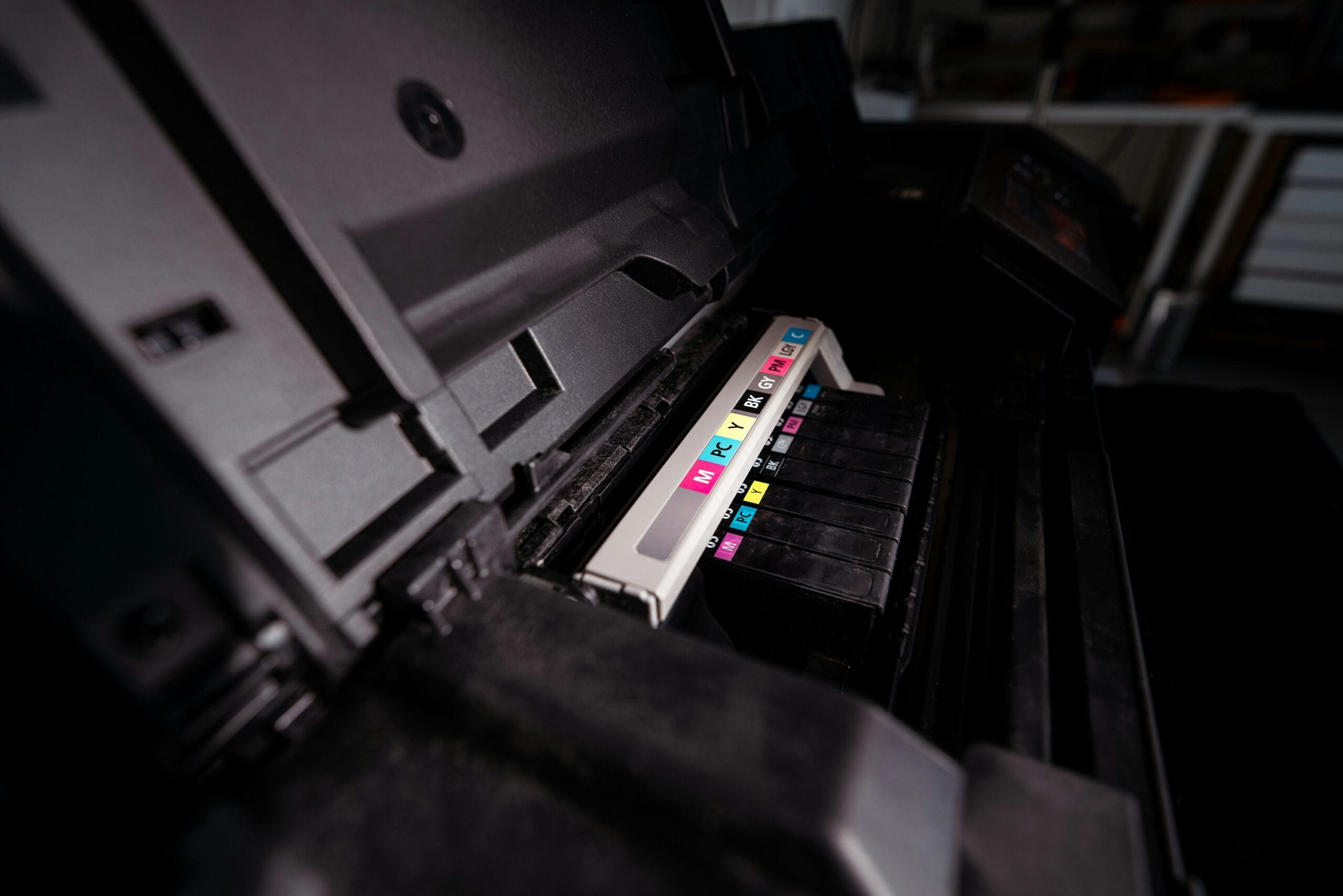
Absolutely. A direct jet UV printer handles wood substrates remarkably well—perhaps better than most people expect. The natural grain patterns, warm textures, and organic feel of wood combine with digital printing to create something genuinely striking. There’s a certain appeal to seeing photographic images or intricate designs merged with natural wood character.
It works. And it works quite well, actually.
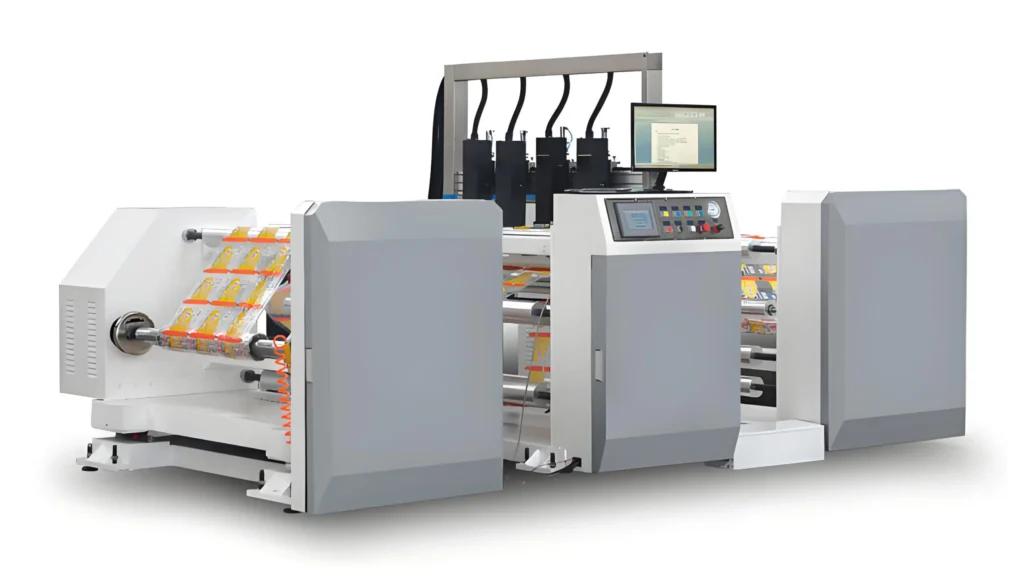
How a Direct Jet UV Printer Works on Wood Surfaces
Wood behaves differently than glass, metal, or plastic under UV printing. The surface is porous, textured, and variable. Each piece presents unique grain patterns, density variations, and moisture content. These characteristics influence print outcomes in ways that smooth substrates simply don’t.
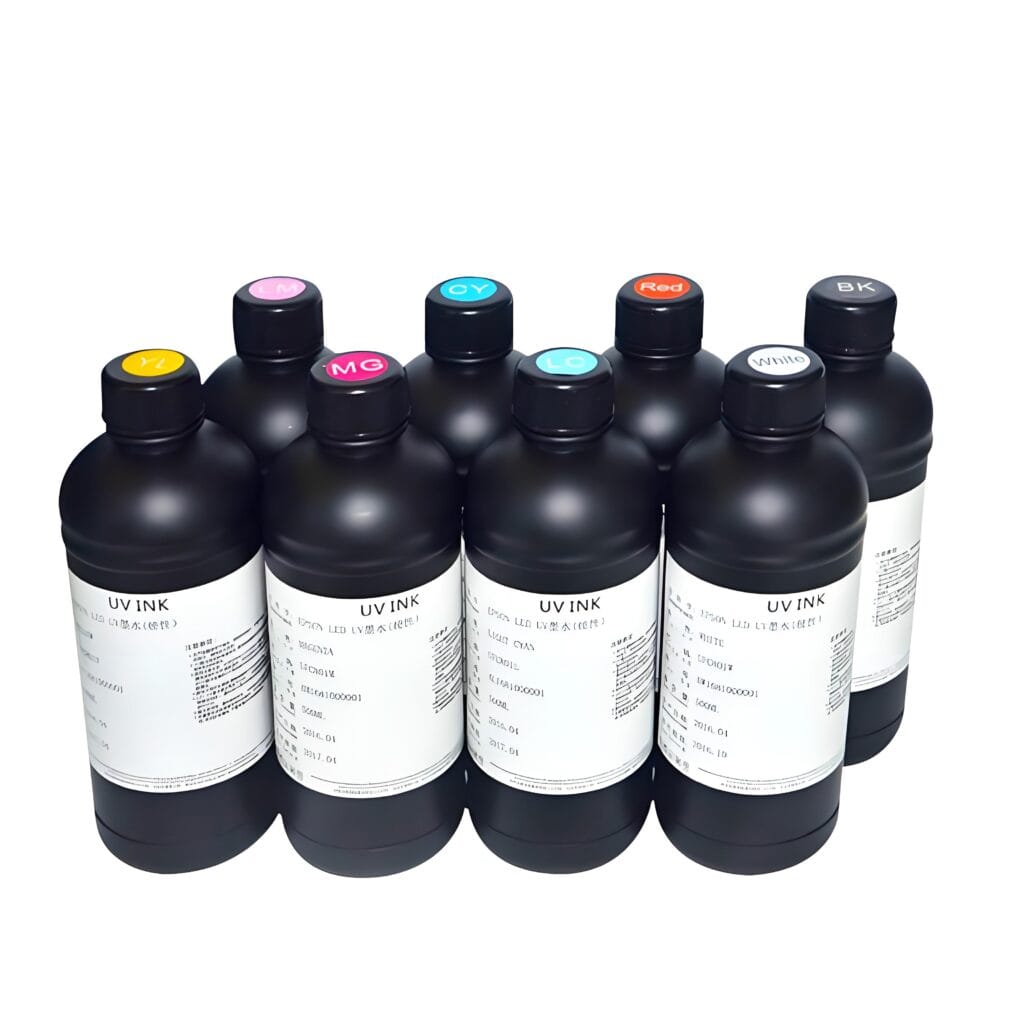
UV-curable inks deposit onto the wood surface and cure instantly under LED lamps. The curing process locks ink onto the surface before it can absorb too deeply into the wood fibers. This creates sharper images compared to traditional methods where ink soaks in and spreads unpredictably.
The porous nature of wood actually helps adhesion. Ink bonds mechanically into surface irregularities, creating durable prints that resist peeling or flaking. However—and this matters—different wood types absorb ink differently. Understanding these variations proves essential for consistent results.
Wood Grain and Print Interaction
Here’s something interesting about wood printing. The grain doesn’t disappear. It shows through. Depending on artwork design and ink coverage, that natural wood texture becomes part of the final piece. Some designers embrace this completely, using transparent or semi-transparent prints that highlight grain patterns.
Heavy ink coverage with white base layers creates more opaque results. The wood essentially becomes a neutral canvas. Either approach works—it depends on the desired aesthetic outcome.
Best Wood Types for Direct Jet UV Printer Applications
Not every wood performs equally under UV printing. Surface smoothness, density, and natural oils all affect print quality.
| Wood Type | Surface Quality | Print Results | Notes |
|---|---|---|---|
| Maple | Very smooth | Excellent | Ideal for detailed work |
| Birch plywood | Smooth, consistent | Excellent | Cost-effective option |
| MDF | Ultra smooth | Excellent | No visible grain |
| Pine | Moderate texture | Good | Soft, absorbs more ink |
| Oak | Pronounced grain | Good | Grain shows through prints |
| Walnut | Medium smooth | Very good | Rich natural color affects results |
| Bamboo | Variable | Good | Requires testing |
Maple and birch plywood rank among favorites for commercial printing. Their consistent, smooth surfaces accept ink evenly. MDF offers perfectly uniform results—though it lacks that natural wood aesthetic some customers prefer.
Softwoods like pine present more challenges. The wood absorbs ink unevenly, particularly around knots and resin pockets. Results remain acceptable but require adjusted expectations.
Surface Preparation for Optimal Results
Proper preparation dramatically improves print quality on wood substrates. Skipping these steps leads to adhesion failures, uneven coverage, and disappointed customers.
Essential preparation steps include:
1. Sanding to appropriate smoothness (180-220 grit typically)
2. Removing all dust with compressed air or tack cloth
3. Checking moisture content (ideally below 12%)
4. Applying primer or sealer when necessary
5. Allowing adequate drying time before printing
Some wood types benefit from specialized primers that create uniform absorption characteristics. These primers essentially standardize the surface, reducing variability between different boards or sections.
For businesses investing in quality equipment, a reliable UV ink jet printer paired with proper preparation techniques delivers professional-grade results consistently.
Popular Applications for Wood Printing
The combination of digital printing and natural wood appeals across numerous markets.
Common applications include:
• Custom signage and wayfinding systems
• Personalized gifts and awards
• Home décor and wall art
• Restaurant menus and displays
• Branded promotional items
• Furniture panels and cabinet doors
• Wedding and event decorations
The rustic-meets-modern aesthetic resonates with current design trends. Businesses offering full color digital printing on wood substrates often command premium pricing—customers willingly pay more for that distinctive natural look.
Maintaining Quality Across Production
Wood’s inherent variability creates quality control challenges. Each board differs slightly, affecting color consistency and detail reproduction.
Inspection and Consistency
For commercial operations producing significant volumes, automated quality verification becomes valuable. Natural wood variations make visual inspection particularly important—color shifts or adhesion issues appear differently on textured organic surfaces compared to smooth manufactured materials.
Implementing a VDP inspection system helps maintain standards when producing personalized or variable data products on wood. Each piece can be verified against specifications, catching defects before shipping.
Key factors affecting consistency:
• Wood moisture content variations
• Grain pattern differences
• Surface preparation uniformity
• Temperature and humidity during printing
• Ink curing completeness
Final Thoughts
A direct jet UV printer opens creative possibilities with wood that weren’t practical before. The technology bridges traditional craftsmanship aesthetics with modern digital capabilities. Wood’s natural beauty combined with precise, vibrant printing creates products that genuinely stand out. The market continues growing as more businesses discover what these machines can accomplish on organic substrates. If you want to know more about direct jet UV printer, please read Can a DCS UV inkjet printer Print on glass?
FAQ
How durable are UV prints on wood?
Quite durable for indoor applications. UV-cured inks resist scratching, fading, and moisture better than many traditional printing methods on wood. For outdoor use or high-wear applications, protective clear coats extend lifespan significantly. Without protection, direct sunlight and weather exposure will degrade prints over time—similar to how untreated wood itself weathers.
Does a direct jet UV printer work on rough wood?
It can, though results vary. Heavily textured or rough-sawn wood produces intentionally rustic-looking prints where ink coverage appears uneven and grain dominates the visual. For detailed photographic reproduction, smooth sanded surfaces perform much better. The printer itself handles either surface—the question becomes whether the aesthetic matches project requirements.
Can printed wood be cut or shaped afterward?
Yes, with care. Laser cutting, CNC routing, and traditional woodworking tools all work on UV-printed wood. However, cutting through printed areas may cause minor chipping or edge imperfections depending on ink thickness and curing completeness. For best results, printing after cutting and shaping eliminates these concerns entirely.