
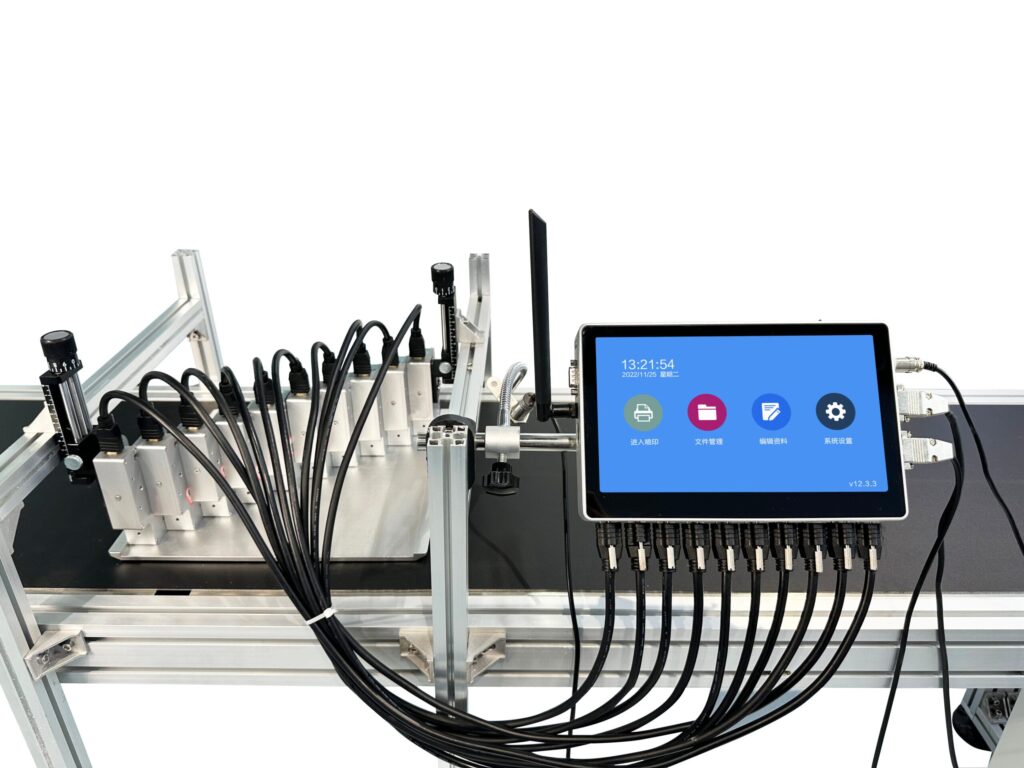
Printers have become an essential part of office equipment. As printing needs grow more diverse, Ink Tank Printers are part of the options being increasingly chosen while also becoming available in the market. However, many buyers would like to know the cost of these machines: Are Ink Tank Printers really that expensive? This article will break down and separate the expenses that make up an ink tank printer’s price, as well as view its relative price through investment-worthiness from a few perspectives.
Ⅰ. What is an Ink Tank Printer?
Printers of the Ink Tank category are those variants of print dispensing units based on the scheme or plan of large-capacity ink reservoirs. Whereas in the case of regular inkjet printers, Ink Tank Printers apply a method that massively lessens the use of ink. Apart from lowering the cost per page printed, this setup also successfully enhances the range of printing. The primary characteristic factor about ink cartridge printers is their ability to store larger capacity ink tanks, hence ideal for high-volume print jobs.
Ink tank printers last longer than traditional ink cartridge printers and have a lower maintenance rate, thus making them cost-effective for long-term use.
Ⅱ. Price Analysis of Ink Tank Printers
Many people are skeptical about the high price of inkjet cartridge printers, believing that they are too expensive to purchase. However, from a long-term usage perspective, the overall investment in ink tank printers is very competitive.
1. Initial Purchase Cost
The initial purchase price of an ink tank printer is usually a bit higher than that of a traditional inkjet printer. This is because printers utilize more advanced technology and larger ink tanks, making them relatively expensive to manufacture. However, this price difference can be made up by savings over time. The design of inkwell printers allows for greater ink storage, which reduces the need for frequent cartridge changes.
2. Ink Costs
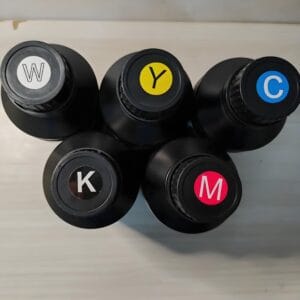 Another big plus for ink tank printers is that their ink does not cost as much. Regular inkjet printers take cartridges that, though each is relatively less expensive, have limited capacity; this increases the ownership cost due to frequent replacements. Inkjet printers have a huge capacity of bottles for ink, usually each bottle of ink can take thousands of pages, hence the cost to print one page comes out to be very low.
3. Total Cost Of Ownership
Despite the higher purchase price of inkwell printers, they are very cost-effective in terms of total cost of ownership. In the long run, ink tank printers result in a much lower overall cost of ownership due to their lower ink consumption and fewer maintenance requirements. Therefore, choosing an inkwell printer not only saves you money in the short term, but also brings more value in the long term.
Ⅲ.The Choices Of Ink Tank Printer Manufacturers
When choosing printers, users often need to consider its brand and manufacturer. There are many well-known inkwell printer manufacturers on the market, and their printer technology continues to innovate to provide more consistent printing results.
For users with specific needs, OEM products are also a good choice. OEM inkwell printers are usually produced by some third-party manufacturers, which may offer more competitive prices and innovate in some details of the design to provide users with more diversified choices.
Ⅳ. Who are Ink Tank Printers for?
Inkjet machines are best for those users who want to print in large volumes. Be it for corporate office and school printing needs or high-frequency personal home use, ink tank printers guarantee a stable and efficient printing experience. Since the feature includes no need to replace ink for long-term usage, it falls under the affordable options wherein you have large quantities of printing over a long period.
Also, the green facts about printers matter. Since there is a bigger space for the ink bottles to fill, fewer plastic ink cartridges are used, and less waste is made.
Ⅴ. Conclusion
As regards general cost-effectiveness, ink tank printers are definitely a good buy. The fact that they come at a higher price notwithstanding, the savings from ink usage plus low maintenance printer costs will effectively reduce the total cost of use, hence giving better value for money to the users. Consumers should pick on right ink for their printing needs, plus budget and brand preference when buying so as to enjoy maximum convenience plus savings in daily use.