
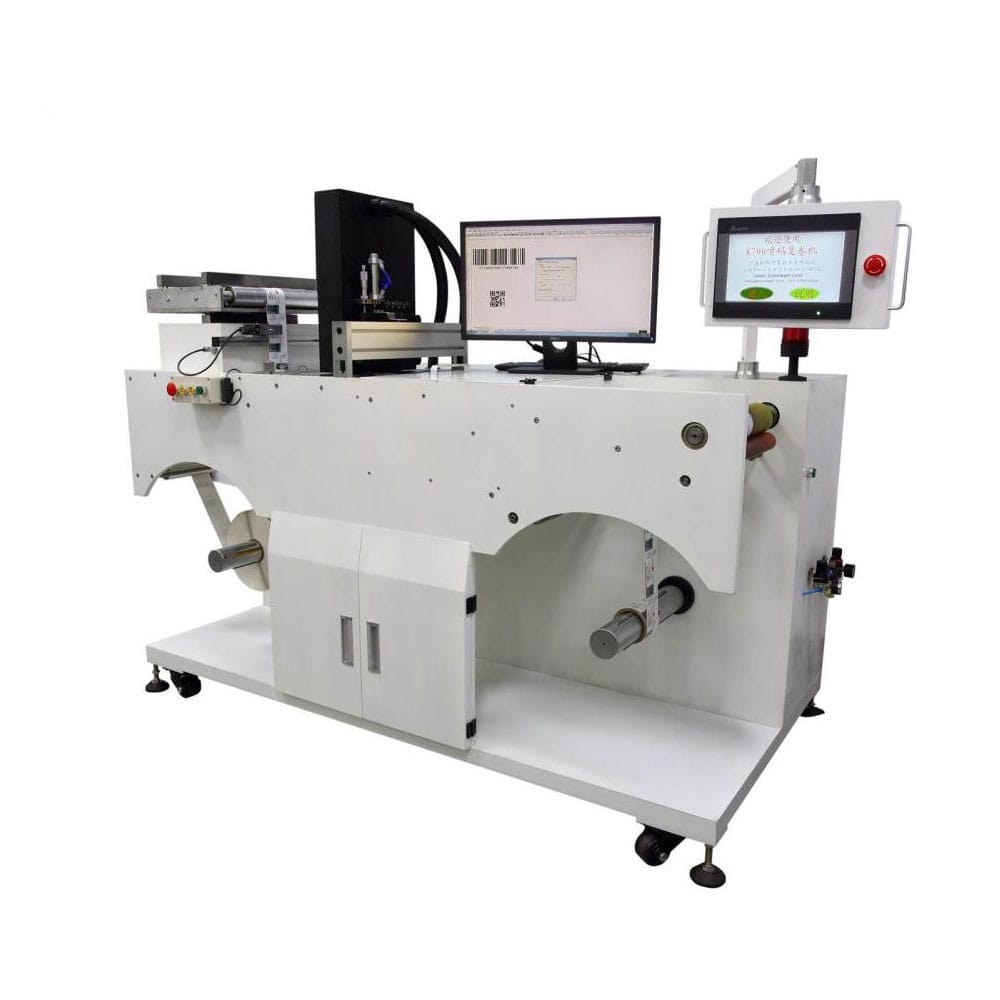
In industries such as outdoor advertising, architectural decoration, and industrial signage, there has long been a common challenge: how to maintain vibrant colors and durable materials in complex and ever-changing natural environments. With the deepening of eco-friendly concepts and technological advancements, the combination of UV printers and eco solvent has gradually become the mainstream choice for outdoor applications. This article will delve into whether this combination is truly suitable for outdoor environments from three dimensions: technical principles, actual performance, and application scenarios, while also exploring its future development potential.
I. Technical Fundamentals of UV Printers
1. The Outdoor Suitability of UV Printers and Eco Solvents
The reason UV printers have gained prominence in outdoor scenarios lies in their unique curing technology. UV inks are different from traditional solvent-based inks. Traditional inks dry when the solvent evaporates. But UV inks dry through a process called photopolymerization. This means that when UV light hits the ink, it quickly turns into a solid film.
This way of drying has two big advantages. First, it doesn’t cause air pollution like solvent evaporation does. Second, the film that forms is very strong. It has a high density and is tightly cross-linked. This makes it really good at resisting damage from rain, UV light, and changes in temperature.
2. The Weather Resistance of UV Printers and Eco Solvents
The high-molecular-weight polymer film formed after UV ink curing has weather resistance of up to 3-5 years, far exceeding the approximately one-year lifespan of traditional water-based inks. The addition of eco solvents further enhances compatibility for outdoor applications. Take weak solvent inks as an example; their VOC (volatile organic compound) content is significantly lower than that of traditional solvent-based inks, meeting stringent environmental standards such as the EU’s REACH regulation. Additionally, eco solvent inks offer a great combination. They have the high precision of water-based inks and the strong adhesion of solvent inks. This means they can be used for direct printing on common outdoor materials. These materials include PVC, acrylic, and metal plates. And the good news is, no special pretreatment is needed.
II. Practical Validation
Performance Breakthroughs in Outdoor Applications of UV Printers. In actual outdoor scenarios, UV printers demonstrate “all-around” performance. UV ink has nano-sized UV absorbers and light stabilizers added to it. These ingredients help the ink filter out UV rays. Second, UV-cured films have a tightly structured molecular composition, making it difficult for water molecules to penetrate. Even in coastal regions w
ith heavy rainfall, they prevent wrinkling or bubbling of the printed image. The use of eco-friendly solvent inks addresses pain points in outdoor construction. Traditional solvent-based inks require specialized ventilation equipment, whereas eco-friendly solvent inks have virtually no irritating odor and can be used directly indoors or outdoors.
For example, in building exterior decoration, UV printers combined with eco solvent inks enable on-site printing and integrated construction, achieving efficiency improvements of over 3 times compared to traditional spray painting processes. Additionally, eco solvent inks dry quickly. They typically surface-dry within 30 minutes. This fast-drying property significantly reduces the delivery cycles of outdoor projects. It makes them particularly suitable for producing temporary signs for large-scale events with tight deadlines.
III. Scenario Extension
In the outdoor application field, the influence of UV printers has long surpassed traditional advertising categories, reshaping outdoor solutions across multiple industries. With their excellent weather resistance, instant drying properties, and broad material compatibility, UV printers not only meet the demands of high-precision flat printing but also achieve three-dimensional effects with raised textures, bringing unprecedented possibilities to outdoor printing.
1. Municipal Engineering Sector: Innovative Applications of Durable Signage
In the municipal engineering sector, UV printing technology is transforming the way signage is produced for public facilities. By directly printing wear-resistant signage on manhole covers, bus stops, and other public facilities, UV printing technology, combined with the graffiti-resistant properties of eco-solvent inks, significantly reduces post-installation maintenance costs.
2. Cultural and Creative Industries and Landscape Design: Realizing Personalized Outdoor Art
In the cultural and creative industries and landscape design sectors, the combination of UV printers and eco-friendly solvent inks has opened a new chapter in personalized outdoor art. By printing patterns on natural materials such as stone and wood, UV printing technology not only preserves the inherent texture and feel of the material but also ensures the patterns remain vibrant and long-lasting.
Ⅳ. Conclusion
The Green Future of Outdoor Applications is Here. As environmental protection becomes a key focus of global development, the combination of UV printers and eco-friendly solvents not only addresses technical challenges in outdoor applications but also pioneers a new trend in green manufacturing. From breakthroughs in weather resistance to improved construction efficiency, and advertising signage to industrial decoration, the combination of UV printing and eco solvent is redefining the possibilities of outdoor environments. For businesses, selecting the right UV printing solution is a smart move to boost product competitiveness. It is also an essential choice to meet social responsibility. In the future, as UV curing technology advances and eco solvent formulations continue to improve, we can expect the outdoor world to become even more vibrant. Printing technologies will offer longer-lasting colors and a more environmentally friendly footprint.