

Cost-effectiveness is one of those terms that gets thrown around a lot in the printing industry. It sounds straightforward enough, but when it comes to UV printers, the answer is rarely a simple yes or no. These machines sit in a strange middle ground—expensive enough to make budget-conscious buyers nervous, yet capable of generating returns that other printing technologies simply can’t match.
The real question isn’t whether UV printers cost a lot (they do). It’s whether what you get back justifies what you put in. And that calculation? It depends heavily on how the machine gets used, what products it creates, and honestly, how well the operator understands the business side of printing.
Understanding the True Cost of UV Printing
Before diving into whether UV printersdeliver value, it helps to understand what “cost” actually means in this context. Too many buyers focus exclusively on the purchase price and forget about everything else.
The total cost of ownership includes:
- Initial purchase price – The machine itself, which varies wildly depending on size and brand.
- Installation and training – Some vendors include this; others charge extra.
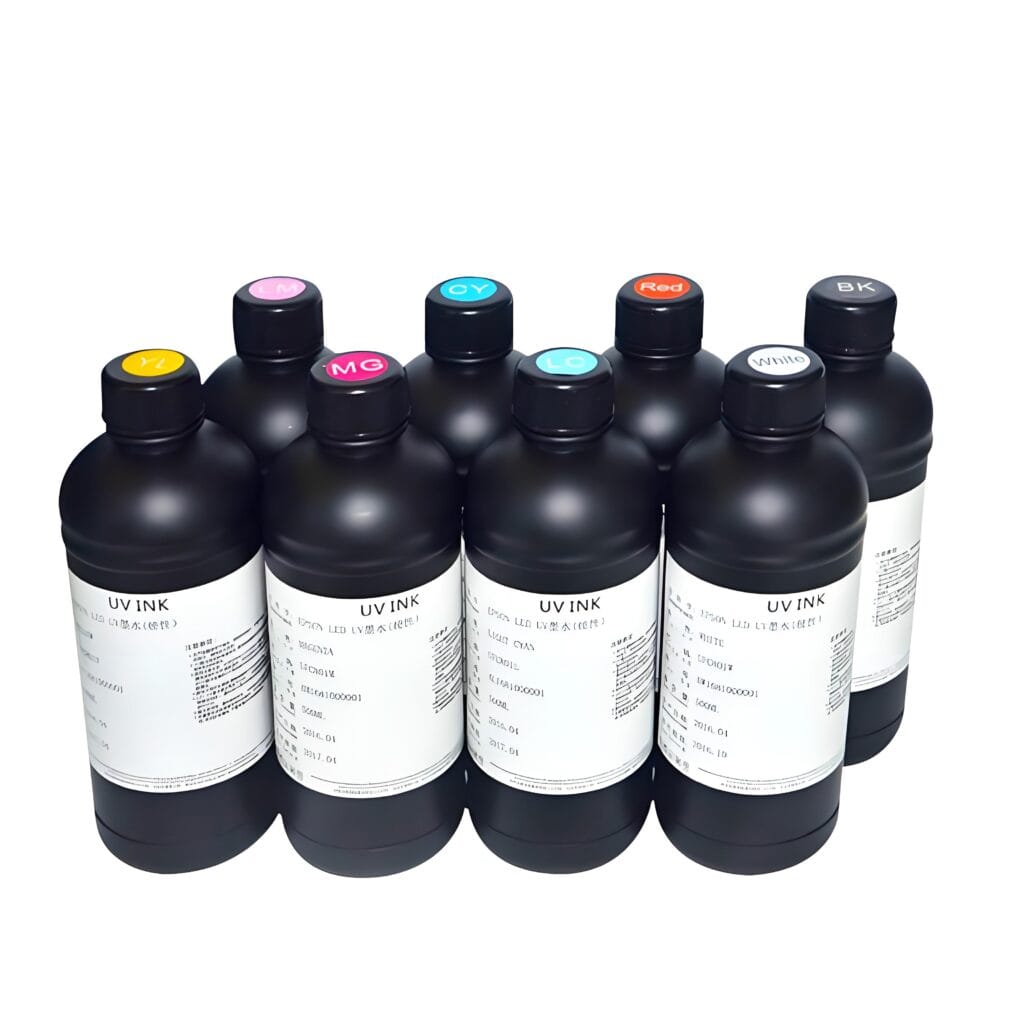
- Ink consumption – UV ink isn’t cheap, and usage varies by application.
- Maintenance and repairs – Print heads, UV lamps, filters, and unexpected breakdowns.
- Electricity – These machines pull more power than standard inkjet printers.
- Substrate costs – The materials being printed on (though this isn’t unique to UV).
When all these factors are considered, a $30,000 machine might actually cost $45,000 or more over its first three years. That sounds scary, but here’s the thing—traditional printing methods have their own hidden costs too. Lamination, mounting, drying time, labor hours… it all adds up in ways people don’t always track.
Where UV Printers Excel in Cost-Effectiveness
There are specific scenarios where UV printers absolutely shine from a financial perspective. It’s not about the machine being universally “worth it”—it’s about matching the technology to the right applications.
Elimination of Finishing Steps
This is probably the biggest cost-saver that gets overlooked. With eco-solvent or latex printing, most outdoor signage needs lamination to protect against UV damage and scratching. That lamination costs money (material + labor) and takes time.
UV-cured prints? They’re essentially pre-laminated. The cured ink is tough, scratch-resistant, and UV-stable right off the printer. No waiting, no extra materials, no additional labor.
Direct-to-Substrate Printing
The ability to produce Full Color Digital prints directly onto rigid materials—acrylic, wood, metal, glass, foam board—eliminates the entire mounting process.
| Process Step | Eco-Solvent Workflow | UV Printer Workflow |
|---|---|---|
| Print on vinyl | Yes | Skip |
| Wait for drying/outgassing | 30 min - 24 hours | Instant cure |
| Apply lamination | Yes | Skip |
| Mount to substrate | Yes | Skip |
| Final output ready | Hours to days later | Immediately |
That table tells the whole story, really. The UV printer condenses a multi-step process into a single operation. For high-volume shops, this translates to significant labor savings—and labor is often the biggest expense in any print business.
High-Margin Product Opportunities
Here’s where things get interesting from a revenue perspective. UV printers unlock product categories that simply aren’t possible with other technologies:
- Customized promotional items (pens, phone cases, keychains)
- Personalized gifts (photo panels, ornaments, awards)
- Industrial printing (control panels, nameplates, serial numbers)
- Architectural elements (decorative tiles, textured wall panels)
- Short-run packaging prototypes
These aren’t commodity products competing on price. A custom-printed phone case might cost $0.30 in ink and sell for $15-25. A personalized wooden award plaque might cost $2 to produce and sell for $40-60. The margins are genuinely impressive when the right markets are targeted.
When UV Printers Are NOT Cost-Effective
It would be misleading to suggest that UV printers make financial sense for everyone. They don’t. There are clear scenarios where the investment struggles to pay off.
Low Volume Operations
If a shop only prints a few hundred square feet per month, the machine will spend most of its time sitting idle. Idle UV printers still require maintenance—the ink lines need flushing, the heads need cleaning cycles. Those consumables get used whether revenue is being generated or not.
A rough rule of thumb floating around the industry: if the machine isn’t producing at least 20-30 hours of actual print time per week, the cost-per-print starts looking unfavorable compared to outsourcing.
Roll-to-Roll Only Applications
Some print shops focus exclusively on banners, vehicle wraps, and vinyl graphics. For these applications, a dedicated eco-solvent or latex printer is almost certainly more cost-effective. UV printers can handle roll media, but they weren’t really designed for it. The sweet spot is rigid and dimensional objects.
Lack of Sales Infrastructure
This one catches people off guard. Buying a UV printer without a plan to sell its unique capabilities is… well, it’s an expensive mistake that happens more often than anyone would like to admit. The machine doesn’t generate revenue by itself. Someone has to go find customers who want printed phone cases, or promotional products, or direct-printed signage.
Shops that already have relationships with promotional product distributors or corporate clients tend to see much faster ROI than shops that buy the machine first and figure out sales later.
Calculating Your Potential ROI
For anyone seriously considering whether UV printers make financial sense, running the actual numbers is essential. Here’s a simplified framework:
Monthly Revenue Potential:
• Estimate realistic job volume (be conservative)
• Calculate average selling price per job
• Subtract material costs (ink + substrates)
• Subtract allocated labor costs
Monthly Operating Costs:
• Ink consumption (including waste from cleanings)
• Lamp/LED replacement fund (spread across expected lifespan)
• Maintenance reserve (5-10% of machine value annually)
• Electricity
Break-Even Calculation:
• Total machine cost ÷ Monthly net profit = Months to break even
Most successful UV printer installations seem to hit break-even somewhere between 12-24 months. Faster than that indicates excellent market fit; longer than that suggests the application mix might need adjustment.
The Verdict on Cost-Effectiveness
So, are UV printers cost-effective? The honest answer: they can be remarkably cost-effective, or they can be money pits. The technology itself is neither good nor bad—it’s a tool, and tools deliver value based on how they’re used.
For shops that:
• Have existing demand for rigid printing or promotional products
• Process enough volume to keep the machine busy
• Understand the labor savings from eliminating finishing steps
• Price their work appropriately for the market
…yes, UV printers tend to be very cost-effective. The ROI can be genuinely impressive.
For shops that:
• Primarily do roll-to-roll work
• Have inconsistent or low volume
• Buy based on capability excitement rather than actual market demand
…the cost-effectiveness becomes questionable at best.
The machine itself isn’t cheap. But cheap and cost-effective are different things entirely. A $50,000 printer that generates $100,000 in annual profit is infinitely more cost-effective than a $5,000 printer collecting dust in the corner. It all comes down to application, volume, and having a real plan to put the technology to work. If you want to know more about UV printers, please read Are UV printers cheap?