
In recent years, UV LED screen printers have gained popularity in the printing industry. Many industries and print shop managers consider this technology a safer alternative to older UV curing systems. But are UV LED screen printers truly safe to operate? The answer is generally yes—but it’s important to understand the nuances.
What makes UV LED screen printers appealing comes with some safety considerations. A closer look reveals that while they are safer than their traditional ultraviolet counterparts, they still require proper handling and precautions.
Why UV LED Screen Printers Are Different
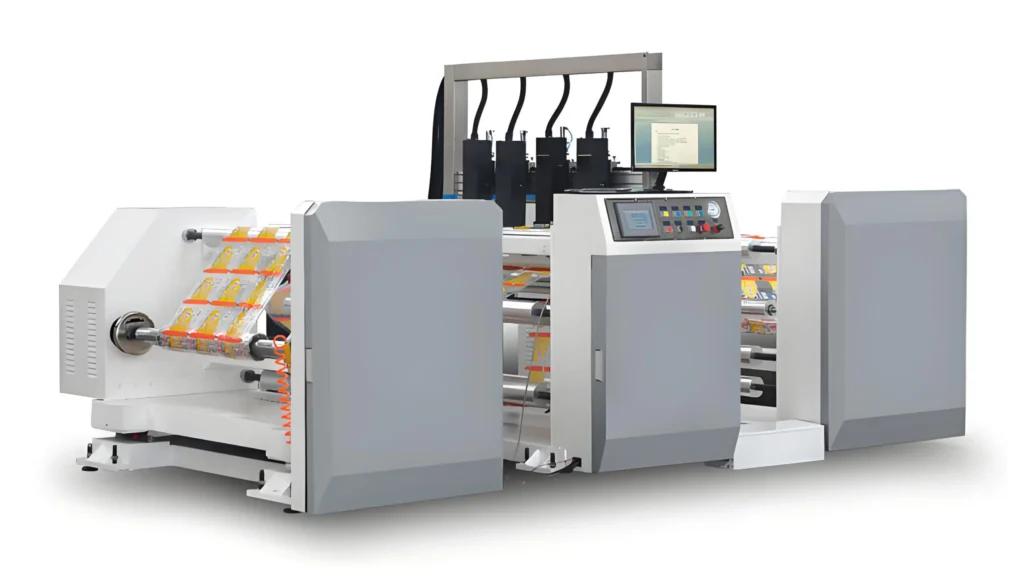
Compared to older UV curing methods, UV LED screen printers use light-emitting diodes that produce UV radiation at specific wavelengths, usually in the UV-A range (around 365-405 nm). This targeted wavelength means they’re more energy-efficient, produce less heat, and don’t generate ozone, unlike mercury lamps.
This technological shift results in several immediate benefits that contribute to their safety profile. For example, the lower heat output keeps the workspace cooler and reduces the risk of burns, unlike high-temperature mercury lamps. Plus, the lack of ozone emission cuts down on harmful fumes—an important factor for compliance with environmental and health standards.
Primary Safety Concerns of UV LED Screen Printers
While these machines are designed with safety in mind, some risks are inherent and need attention.
UV Light Exposure
UV radiation, even from LEDs, can pose risks to the eyes and skin if not properly shielded. Prolonged or direct exposure to UV-A light can cause eye strain or skin irritation. Thankfully, modern UV LED screen printers are equipped with safety shields and enclosures that help contain UV exposure. Still, operators should be cautious to avoid staring directly into the curing lamps during maintenance or setup.
Key safety practices:
- Ensure all protective shields are in place during operation.
- Wear UV-blocking safety glasses when working near the UV light source.
- Avoid direct skin exposure to active UV lights.
- Follow manufacturer instructions regarding safety features.
Chemical Handling of Inks
UV inks used in these printers usually contain photoinitiators and other chemicals. While cured inks are generally inert and safe, uncured inks can cause skin irritation or sensitivities over time. Regular handling demands gloves and proper storage practices to prevent skin contact, especially during ink preparation and cleaning.
Comparing UV LED and Traditional UV Curing Systems
Understanding safety differences between UV LED and traditional systems offers valuable perspective. Here’s a quick comparison:
| Safety Aspect | Traditional UV (Mercury Lamps) | UV LED Screen Printers |
|---|---|---|
| UV Spectrum | Broad (UV-A, B, C) | Narrow (UV-A) |
| Ozone Emission | Yes | No |
| Heat Generation | Very high | Moderate to low |
| Mercury Hazard | Yes (mercury disposal) | No |
| Fumes and VOCs | Yes | Minimal or none |
| Operational Risks | Higher (burns, ozone) | Lower, but still caution needed |
This table emphasizes how UV LED screen printers tend to be safer overall because they eliminate many hazards associated with traditional UV systems.
Enhancing Workplace Safety
Safety isn’t just about machine design—it’s also about best practices within the workspace.
Recommended safety practices include:
- Keep all safety shields engaged during operation.
- Use appropriate personal protective equipment (PPE), like gloves and UV-protective glasses.
- Ensure good ventilation, even if fumes are minimal.
- Regularly inspect and maintain safety features and shields.
- Follow all manufacturer guidelines for safe handling and operation.
Environmental and Regulatory Benefits
Switching to UV LED screen printers often means easier compliance with environmental regulations. Since they don’t produce ozone or contain hazardous mercury, facilities face fewer regulatory hurdles. This also reduces disposal concerns and limits environmental impact.
From an operational perspective, these safety benefits can lower insurance costs and improve worker comfort—a plus for production efficiency and overall safety culture.

Final Thoughts
Are UV LED screen printers safe? While they are generally considered safer than older UV curing options, safety still depends on responsible operation. Proper shielding, personal protective equipment, handling procedures, and regular maintenance are critical.
From the observer’s standpoint, the safety improvements from switching to UV LED technology are clear: less heat, no ozone, no mercury hazards, and a more comfortable working environment. As technology advances, safety features will only improve, making UV LED screen printers an attractive option for modern, safety-conscious print shops.
In conclusion, UV LED screen printers are an excellent choice—from a safety perspective—when operated responsibly and with proper safety protocols. The technology offers a safer, cleaner, and more sustainable printing process for the industry.If you want to know more about UV LED screen printers, please read Are UV LED lights good for screen printing?