
In business dealings, a high-quality business card is often the starting point for successful communication. When considering custom business cards, you might wonder: how durable are those glossy, vibrant UV coated business cards? Can they withstand the test of time and remain as good as new even after repeated exchanges? This is precisely the topic we will explore in depth today.
I. In-depth Analysis of UV Coating Technology and its Impact on Durability
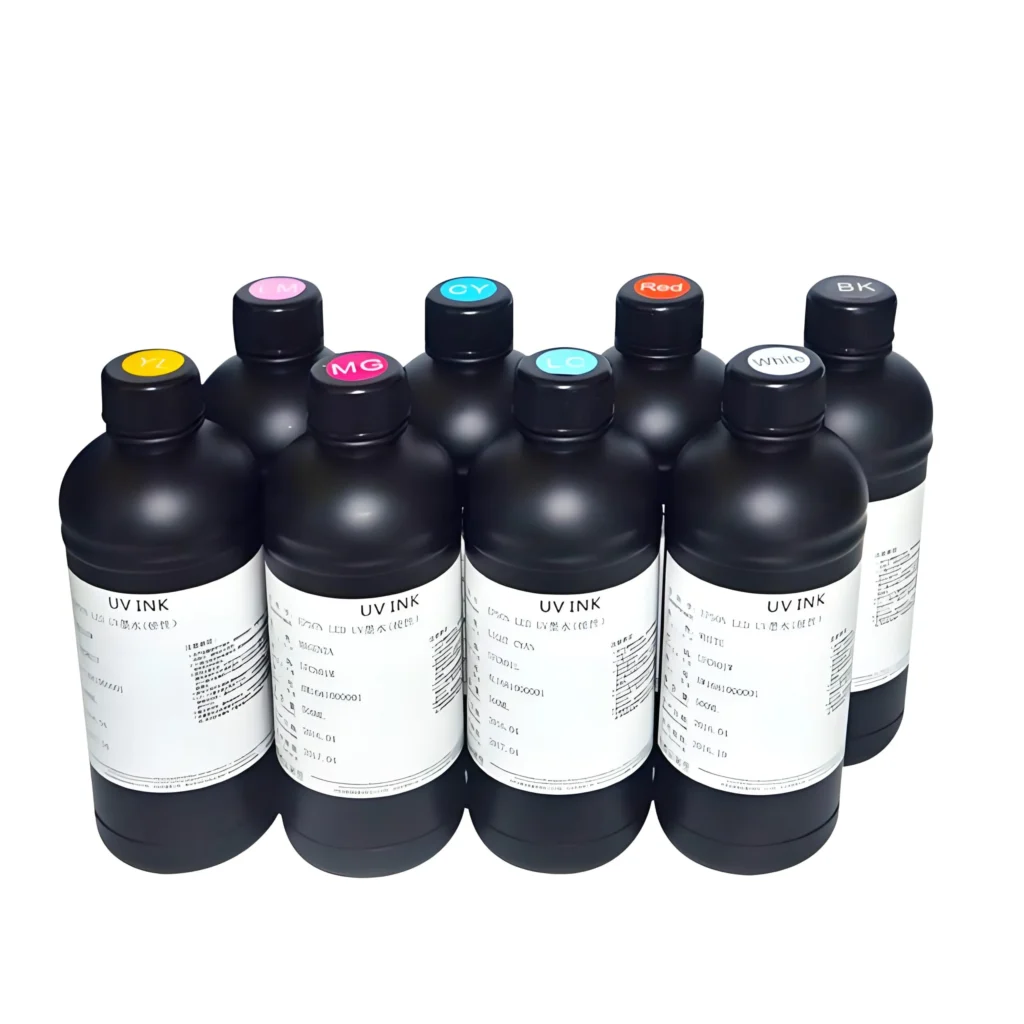
To accurately assess the durability of UV-coated business cards, it is essential to understand the manufacturing process behind them. UV coating is essentially a special ink or varnish that cures instantly upon exposure to ultraviolet light. This process is not simply covering the paper surface with a plastic film, but rather forming a hard, transparent protective layer through a chemical cross-linking reaction.
1. Process Principle
In high-quality business card printing, the UV coating is precisely applied to the printed paper surface and then immediately exposed to ultraviolet light. During this process, the photoinitiator within the coating absorbs ultraviolet energy, causing the monomers and oligomers to polymerize, transforming from a liquid to a solid state within a hundredth of a second. This rapid curing characteristic prevents excessive penetration of the coating into the paper fibers, thus forming an exceptionally strong protective film on the surface.
2. Physical Properties
This cured film can be several times harder than traditional water-based coatings. It effectively isolates the printed graphics from the external environment, directly improving the physical durability of UV-coated business cards. Compared to untreated or ordinary coated business cards, it is more resistant to scratches from everyday items such as keys and coins in wallets or pockets.
II. Key Dimensions for Measuring the Durability of UV-Coated Business Cards
Durability is a comprehensive concept, and we can examine the actual performance of UV coated business cards durability from multiple dimensions.
1. Scratch and Abrasion Resistance
This is one of the most significant advantages of UV coating. The hard cured film allows the business card surface to withstand a considerable degree of friction. Even after contact with other papers or rough surfaces, it is not easy to leave noticeable scratches, ensuring the clarity of the graphics and text after long-term use.
2. Chemical Resistance and Stain Resistance
In daily life, business cards inevitably come into contact with sweat, minor water stains, grease, and even coffee spills. UV coatings offer excellent resistance to liquid erosion. Most water-based liquids and oil stains have difficulty penetrating its protective layer; a simple wipe with a soft cloth restores cleanliness, significantly better than matte or untreated business cards.
3. Color Durability and Fading Resistance
Ultraviolet light is not only the tool for coating curing but also a major culprit in causing printed materials to fade. High-quality UV coatings themselves possess a certain degree of UV resistance, acting like “sunscreen” to slow down the oxidation and decomposition of the underlying printing inks by ultraviolet rays in sunlight, thus maintaining the vibrancy and saturation of the business card’s colors for a long time.
III. Beyond Basic Durability: The Added Value and Decision Considerations of UV Business Cards
When discussing the durability of UV-coated business cards, its value goes beyond just “robustness.” This durability also brings additional brand benefits and requires some professional consideration when choosing.

An often overlooked perspective is that durability itself is a silent declaration of brand image. When customers receive a business card that, despite its wear and tear, remains pristine and crisp, they perceive an uncompromising commitment to quality. This subtle experience subtly reinforces your brand’s professional, reliable, and detail-oriented qualities. Therefore, the value of UV coating has evolved from simple physical protection to an effective brand communication tool.
Of course, pursuing ultimate durability must also consider the actual application scenario. If your industry highly emphasizes elegance and understated sophistication, a thick, slightly sticky UV coating may not be the best choice. In such cases, exploring a combination of localized UV coating (applied only to the logo or specific designs) and matte materials might offer a balance between durability and a unique texture.
Conclusion
The durability of UV-coated business cards is undeniable. Through a sophisticated chemical process, it endows business cards with strong scratch resistance, stain resistance, and fade resistance, making them a reliable “hardware business card” for business professionals in a highly competitive market. However, the wisest choice always stems from a comprehensive consideration of your brand positioning, industry characteristics, and budget. The pursuit of excellence within a small space begins with a deep understanding and prudent decision-making regarding every detail—such as the coating.