

Rain happens. Sometimes at the worst possible moments—like right before an outdoor event or in the middle of a week-long promotional campaign. So naturally, anyone investing in outdoor signage wants to know: are vinyl banners water resistant? The quick answer is yes, they generally are. But the full picture involves more detail than a simple yes or no.
Understanding Vinyl Banner Material Composition
To understand water resistance, it helps to know what vinyl banners are actually made of. The material is PVC—polyvinyl chloride—which is inherently a plastic polymer. And plastics, as most people intuitively understand, don’t absorb water the way natural materials do.
Standard vinyl banner material consists of a PVC film layer bonded to a polyester scrim (that’s the woven mesh inside that provides structural strength). This combination creates a material that’s both flexible and fundamentally non-porous.
Water doesn’t soak into vinyl. It sits on the surface and eventually rolls off or evaporates. That’s the basic principle behind vinyl banner water resistance.
How Water Resistant Are Vinyl Banners Really?
“Water resistant” can mean different things depending on expectations. Vinyl banners handle normal rain exposure quite well. They won’t dissolve, fall apart, or immediately deteriorate when wet.
Performance in Different Water Conditions
The level of water exposure matters significantly. Here’s how vinyl banners typically perform across various scenarios:
| Water Exposure Type | Vinyl Banner Performance | Concerns |
|---|---|---|
| Light rain | Excellent—no issues | None significant |
| Heavy downpour | Good—handles well | Possible pooling if horizontal |
| Extended wet periods | Moderate—material fine, prints may suffer | Prolonged moisture can affect some inks |
| Direct submersion | Poor—not designed for this | Material survives but edges may separate |
| High humidity | Good—no absorption | Condensation possible |
| Splashing/spray | Превосходно | Quick drying |
The material itself almost always survives water contact. Problems, when they occur, usually involve the printed graphics or edge finishing rather than the vinyl itself.
What Actually Gets Damaged?
When vinyl banners do suffer water-related damage, it’s typically not the vinyl that fails. The weak points include:
1. Printed graphics on cheaper banners may run or fade with prolonged moisture exposure
2. Seams and hems can separate if adhesives break down
3. Grommets may corrode (though this is more about the metal than the vinyl)
4. Edge cuts without proper finishing can allow moisture to wick into the material layers
Quality vinyl banners with proper printing and finishing handle water far better than bargain alternatives. The difference becomes obvious after a few rainstorms.
Printing Methods Affect Water Resistance
Here’s something that doesn’t get discussed enough—the printing technology used on vinyl banners dramatically impacts how well the finished product handles moisture.
UV-Cured Printing
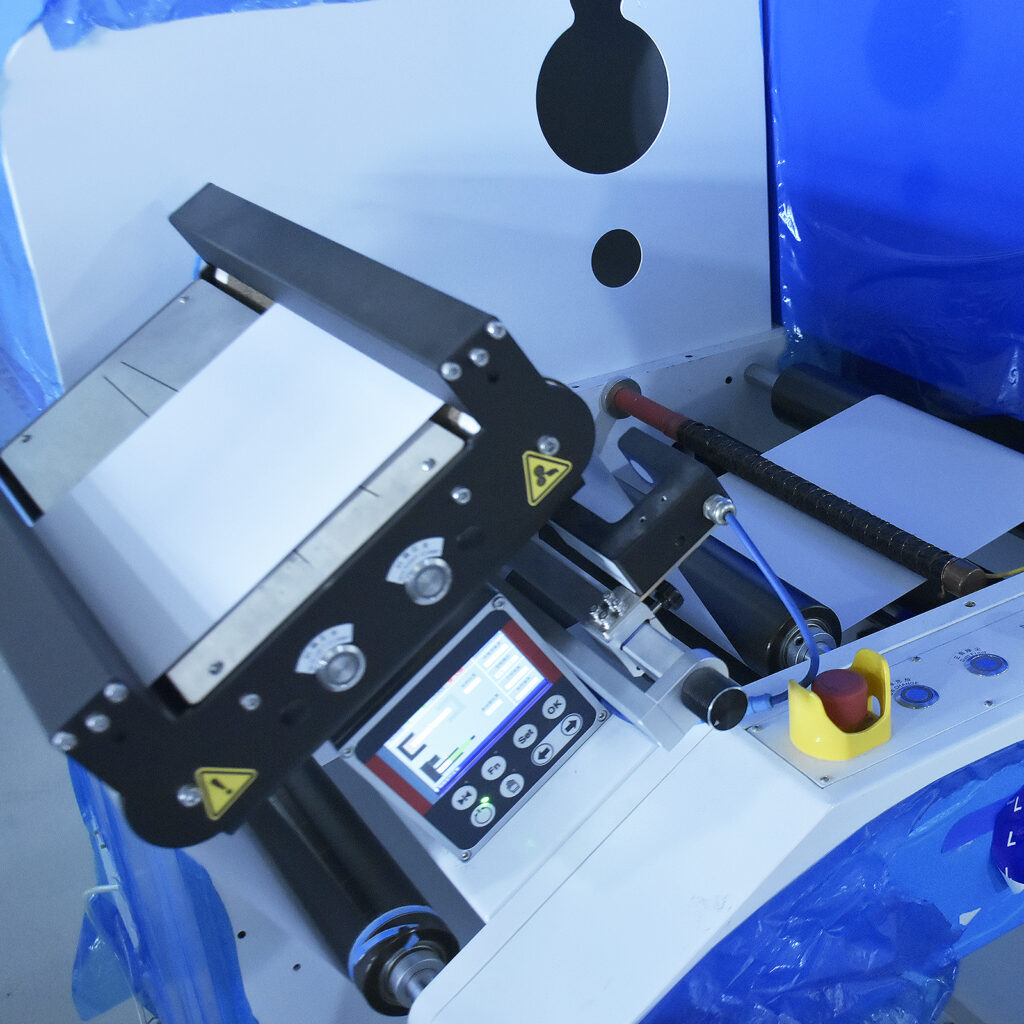
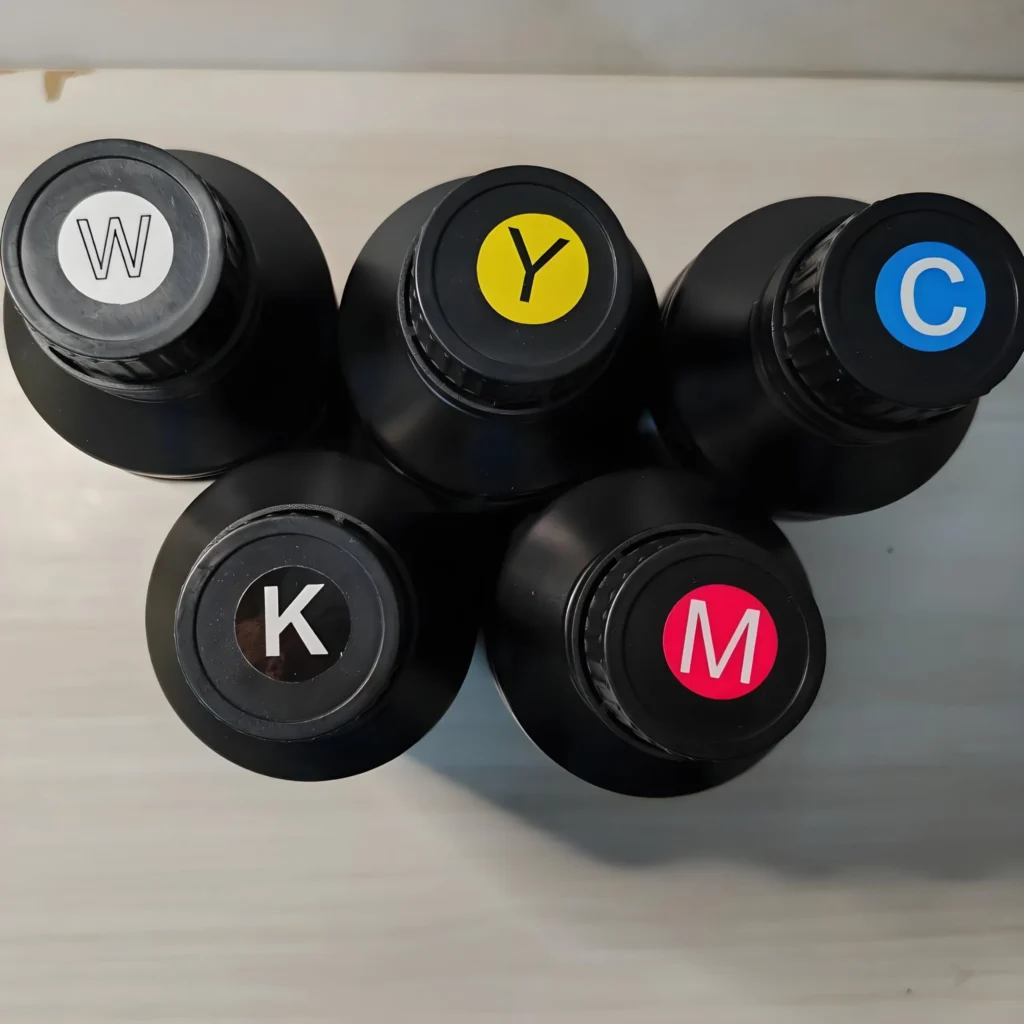
Modern UV Digital Inkjet Printer technology produces prints that are essentially waterproof from the moment they’re made. The UV curing process instantly bonds ink to the vinyl surface, creating a durable finish that won’t run or smear when wet.
Banners produced this way can get rained on repeatedly without any degradation of the printed image. The colors stay put.
Solvent-Based Printing
Solvent inks also perform reasonably well in wet conditions. They penetrate slightly into the vinyl surface, creating good adhesion. Once fully cured (which takes 24-48 hours after printing), they resist water effectively.
Eco-Solvent and Latex Printing
These newer, more environmentally friendly options work well for most applications but may be slightly more susceptible to moisture issues than UV-cured alternatives. Not dramatically so—but in very wet climates, it’s worth considering.
The Lamination Factor
Adding a protective laminate layer essentially makes the printed surface waterproof regardless of the underlying ink type. The laminate creates a sealed barrier over the graphics. For banners expected to face significant moisture exposure, lamination is almost always worth the extra cost.
Factors That Impact Water Resistance
Not all vinyl banners perform equally when wet. Several factors determine how well a specific banner handles moisture.
Material Quality
Cheaper vinyl banners sometimes use lower-grade PVC or thinner material that’s more prone to issues. The scrim inside may also be lower quality, potentially allowing moisture to affect the internal structure over time.
Premium vinyl banners use better base materials throughout. The difference might not be obvious when new, but it shows up after exposure to the elements.
Banner Weight and Thickness
Heavier vinyl (measured in ounces per square yard) generally offers better water resistance simply because there’s more material creating a barrier:
- 13 oz vinyl: Standard, adequate water resistance
- 15 oz vinyl: Better durability overall
- 18 oz vinyl: Excellent for wet climates
- 22 oz vinyl: Maximum protection, heavy-duty applications
Thickness alone doesn’t guarantee quality, but it contributes to overall performance.
Edge Finishing
How the edges are finished matters more than people realize. Properly heat-welded or sewn hems prevent moisture from reaching the internal scrim layer. Cut edges without finishing are vulnerable points where water might eventually cause issues.
This is particularly relevant for banners hung in consistently wet environments.
Practical Tips for Wet Weather Use
Knowing that vinyl banners are water resistant is one thing. Maximizing their performance in rainy conditions involves some practical considerations.
Installation Considerations
Proper installation helps banners shed water effectively:
• Hang at a slight angle when possible to encourage runoff
• Avoid creating horizontal surfaces where water can pool
• Ensure adequate tension to prevent sagging pockets
• Position grommets to allow drainage at bottom corners
A banner that allows water to run off quickly performs better than one that holds moisture.
Maintenance After Rain
While vinyl banners don’t require extensive care after getting wet, some basic maintenance extends their life:
• Shake off excess water when accessible
• Allow complete drying before rolling for storage
• Check for any signs of print damage or edge separation
• Clear debris that may have accumulated in wet material
Storage Between Uses
Storing wet or damp vinyl banners causes problems. Mold and mildew can develop on the surface (not inside the material, but on it). Always dry banners thoroughly before rolling and storing.
This seems obvious but gets overlooked surprisingly often. A banner that smells musty probably wasn’t stored properly after its last wet-weather use.
Limitations to Keep in Mind
Despite good water resistance, vinyl banners have limitations worth acknowledging:
• They’re not designed for underwater use or constant submersion
• Prolonged wet storage can cause surface mildew
• Some very cheap banners may have inks that aren’t fully waterproof
• Extreme conditions (flooding, hurricanes) can still cause damage
Water resistant doesn’t mean indestructible. Setting realistic expectations prevents disappointment.
Comparing to Other Banner Materials
How do vinyl banners stack up against alternatives regarding water resistance?
Fabric banners absorb water and can become heavy, saggy, and prone to mildew. They typically need much more drying time and care.
Paper or cardboard banners—obviously not suitable for any wet conditions at all.
Mesh banners (which are actually a type of vinyl) allow water to pass through, which has advantages in some situations but means less surface protection.
For general water resistance combined with print quality and affordability, standard vinyl banners remain the practical choice for most outdoor applications.
The Bottom Line
Are vinyl banners water resistant? Absolutely. The material itself is fundamentally non-absorbent, and properly printed banners handle rain and moisture without significant issues. Quality matters though—better materials and printing methods produce banners that perform reliably through many wet weather events.
For outdoor advertising, event signage, or any application where rain is possible, vinyl banners offer dependable water resistance. Just choose quality materials, ensure proper printing and finishing, and follow basic care practices. Rain doesn’t have to ruin your signage investment. If you want to know more about vinyl banners, please read Are vinyl banners durable?