
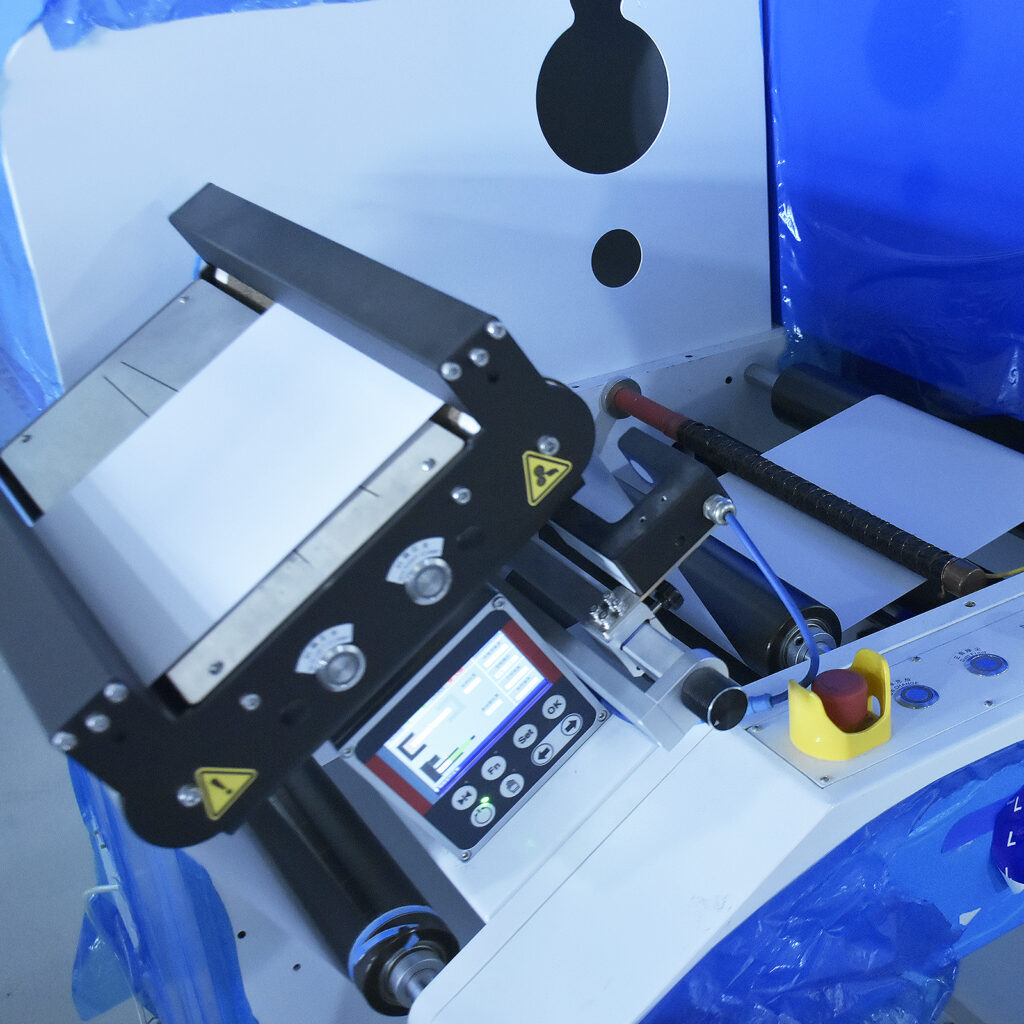
The packaging and label printing industry has changed dramatically over the past decade. Digital printing technologies have moved from novelty status to serious production consideration. Among these technologies, water-based & UV inkjet solutions have emerged as particularly prominent options. But are they actually necessary? Or just nice to have?
The answer depends on business circumstances, production requirements, and where the industry seems to be heading. It’s not a simple yes or no situation.
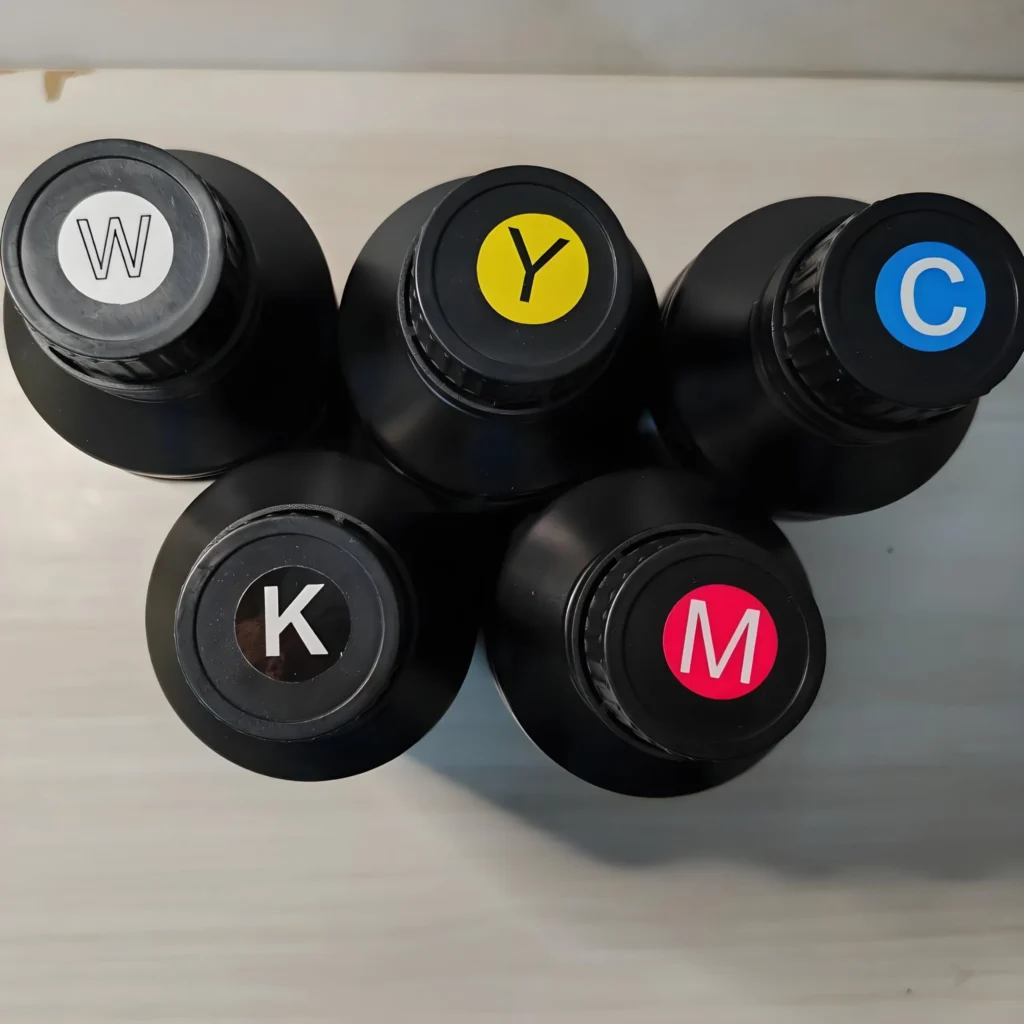
Understanding the Technology Landscape
Before determining necessity, understanding what these technologies actually offer makes sense. Water-based & UV inkjet represent two distinct approaches to digital printing, each with particular characteristics.
Water-Based Inkjet Explained
Water-based inks use water as the primary carrier for pigments or dyes. They’ve been around for a while—desktop inkjet printers have used them for decades. Industrial versions have evolved considerably though.
Modern water-based systems for packaging offer:
• Lower environmental impact than many alternatives
• Good color vibrancy on appropriate substrates
• Generally lower ink costs per unit
• Reduced workplace safety concerns
The technology works particularly well on porous and semi-porous materials. Paper-based packaging and certain label stocks are natural fits.
UV Inkjet Technology
UV inkjet uses inks that cure instantly when exposed to ultraviolet light. The moment ink hits the substrate and the UV lamp passes over it, the ink solidifies completely.
This approach provides:
• Immediate curing with no drying time needed
• Excellent adhesion to non-porous materials
• Superior durability and scratch resistance
• Ability to print on diverse substrate types
For flexible packaging, films, and challenging materials, UV inkjet often proves essential rather than optional.
Why the Industry Is Shifting Toward These Technologies
Several forces are pushing packaging and label printers toward water-based & UV inkjet solutions. Understanding these pressures helps clarify whether adoption is truly necessary or merely advantageous.
Shorter Run Lengths
Consumer preferences have fragmented. Mass-market products with identical packaging for every unit are giving way to versioned, personalized, and region-specific variations. Traditional printing methods—flexography, gravure—require expensive plates or cylinders that only make economic sense for long runs.
Digital inkjet changes that equation entirely. No plates. No setup waste. The 500th print costs the same as the 5,000th. For companies dealing with SKU proliferation, this shift isn’t optional—it’s survival.
Speed to Market Demands
Getting new products to shelves faster than competitors matters more than ever. Traditional print methods involve lead times for plate making and setup. Water-based & UV inkjet solutions can move from design file to finished product almost immediately.
That speed advantage becomes necessary when market windows are measured in weeks rather than months.
Sustainability Pressures
Environmental considerations aren’t just marketing points anymore. They’re regulatory requirements in many regions and genuine purchasing factors for consumers.
| Фактор | Традиционные методы | Water-Based Inkjet | UV Inkjet |
|---|---|---|---|
| VOC emissions | Often high | Very low | Low to moderate |
| Waste generation | Significant setup waste | Минимум | Минимум |
| Energy consumption | Variable | Умеренный | Moderate to high |
| Ink disposal concerns | Can be significant | Generally minimal | Requires proper handling |
| Substrate waste | Makeready waste common | Near zero | Near zero |
Water-based systems particularly shine on environmental metrics. For companies with sustainability commitments, the technology choice becomes partly a compliance matter.
Application-Specific Considerations
Whether water-based & UV inkjet solutions are necessary depends heavily on what’s being printed and for what purpose.
Food Packaging Requirements
Food packaging presents unique challenges. Migration of ink components into food products is a serious concern—both regulatory and ethical. Water-based inks formulated for food packaging offer excellent safety profiles. UV inks can work too, but require careful formulation and compliance verification.
For direct food contact applications, the right ink chemistry isn’t optional. It’s mandated.
Label Durability Needs
Labels face different challenges depending on application:
1. Beverage labels need moisture resistance and ice bucket durability
2. Cosmetic labels require scratch resistance and premium appearance
3. Industrial labels must survive chemicals, abrasion, and harsh conditions
4. Pharmaceutical labels demand absolute consistency and regulatory compliance
UV inkjet excels where durability matters most. The cured ink forms a tough, resilient surface that traditional printing methods struggle to match without additional coatings or lamination.
Variable Data Requirements
Some applications demand unique information on every single label—serialization, QR codes, batch numbers, personalization. This is where digital inkjet becomes essentially mandatory. Doing this economically with traditional methods is basically impossible.
Water-based & UV inkjet handle variable data natively. It’s built into how the technology works.
Economic Realities
Technology necessity ultimately connects to business viability. Do the economics support adoption?
Capital Investment Considerations
Industrial inkjet presses—whether water-based or UV—require substantial capital investment. Entry-level production systems might start around $100,000, while high-speed production lines can exceed $1 million.
That’s significant. But the calculation changes when considering:
- Eliminated plate costs
- Reduced inventory requirements (print on demand)
- Lower labor costs per unit
- Decreased waste expenses
- New market opportunities
For some operations, the return on investment is clear and relatively quick. For others with stable, high-volume, long-run work—maybe traditional methods still make more sense.
Operational Cost Comparison
Running costs matter as much as purchase price. Ink costs for digital inkjet typically exceed traditional inks on a per-volume basis. However, total job costs often favor digital when setup, waste, and labor factor in.
Production equipment from established manufacturers like UV Digital Inkjet Printer suppliers has matured considerably. Reliability has improved, and total cost of ownership has become more predictable.
Market Expectations Are Shifting
Beyond internal economics, market expectations increasingly assume digital capabilities.
Brand Owner Demands
Major brands now expect their packaging suppliers to offer:
• Quick turnaround for promotions and seasonal variations
• Short-run capabilities without excessive cost penalties
• Variable data and serialization options
• Sustainability credentials
Suppliers who can’t meet these expectations lose business. It’s that straightforward sometimes.
Consumer Expectations
End consumers may not know or care about printing technology. But they notice the results:
• Higher quality graphics and color consistency
• Personalized packaging experiences
• Fresh, updated designs rather than stale looks
• Authentic appearance (anti-counterfeiting features)
Water-based & UV inkjet enable all of these outcomes in ways that traditional methods struggle to match economically.

When These Technologies Aren't Necessary
Fairness requires acknowledging situations where water-based & UV inkjet solutions remain optional rather than essential.
Operations focused exclusively on very high volume, unchanging designs may still find traditional methods more economical. A company printing millions of identical labels annually might not need digital flexibility.
Similarly, applications where durability requirements are minimal and substrates are always identical might not justify the investment in advanced inkjet systems.
And obviously, budget constraints are real. Smaller operations might need to grow into digital capabilities gradually rather than jumping in immediately.
The Trajectory Is Clear
Whether water-based & UV inkjet are necessary today for any specific operation varies. But the direction of the industry doesn’t really seem debatable.
These technologies are becoming standard expectations rather than competitive advantages. What’s optional today may be mandatory tomorrow—for competitive reasons if not technical ones.
For packaging and label printers evaluating their technology roadmaps, the question might not be whether to adopt water-based & UV inkjet solutions, but when and how. The necessity is approaching, even if it hasn’t fully arrived for every operation yet.