
Marine environments present unique challenges for just about any signage material. The combination of salt air, intense UV exposure, high humidity, and unpredictable weather creates conditions that can destroy lesser materials in weeks. So when it comes to vinyl banners, can they actually hold up near oceans, lakes, and marinas? The answer requires some nuance.
The Reality of Marine Environment Challenges
Before determining whether vinyl banners work in coastal settings, understanding what “marine environment” actually means helps frame the discussion properly.
These locations don’t just involve water nearby. They involve a whole cocktail of destructive elements working together:
- Salt particles suspended in the air
- Higher than average humidity levels
- Intense sun reflection off water surfaces
- Strong and often gusty winds
- Rapid temperature fluctuations
- Occasional storm conditions
Any signage material needs to contend with all of these factors simultaneously. That’s a tall order, honestly.
How Vinyl Banners Perform in Coastal Conditions
Vinyl banners have certain inherent properties that make them reasonably well-suited for marine use—though not without limitations.
Salt Air Resistance
Here’s some good news. The PVC material that vinyl banners are made from is naturally resistant to salt corrosion. Unlike metal signs that can rust or wooden signs that deteriorate, vinyl itself doesn’t react chemically with salt in any significant way.
The material won’t pit, corrode, or break down just from salt exposure. That’s a genuine advantage for marine applications.
However—and this matters—the hardware used to hang vinyl banners is another story entirely. Grommets, ropes, bungee cords, and mounting brackets can all suffer from salt corrosion if not properly selected.
Moisture and Humidity Tolerance
Vinyl banners handle moisture well. They’re essentially waterproof, which means rain, spray, and ambient humidity won’t cause the material itself to degrade. Water beads up and rolls off rather than soaking in.
This characteristic makes vinyl banners considerably more practical for marine environments than fabric banners or paper-based alternatives. Soggy, drooping signage isn’t really a concern here.
UV Exposure Concerns
This is where things get trickier. Marine environments typically involve intensified UV exposure because sunlight reflects off water surfaces. A banner at a marina might receive 30-40% more UV radiation than the same banner hanging in an inland parking lot.
UV light degrades both the vinyl material and—more noticeably—the printed graphics. Fading becomes a significant issue, often faster than people expect.
Durability Comparison Across Environments
The expected lifespan of vinyl banners varies dramatically depending on location. Marine settings fall on the more challenging end of the spectrum.
| Environment Type | Expected Banner Lifespan | Primary Degradation Factor |
|---|---|---|
| Indoor display | 3-5 years | Minimal degradation |
| Urban outdoor | 1-2 years | Pollution, UV exposure |
| Rural outdoor | 2-3 years | UV exposure, weather |
| Mountain/alpine | 1-2 years | UV intensity, wind, cold |
| Desert | 6-12 months | Extreme UV, heat |
| Marine/coastal | 6-18 months | Salt, UV, wind combination |
These numbers assume standard quality vinyl banners. Premium materials and printing can extend these ranges, while budget options might not even reach the lower estimates.
Making Vinyl Banners Work in Marine Settings
Despite the challenges, vinyl banners can absolutely serve effectively in coastal and marine environments. Success depends largely on making smart choices during selection and installation.
Material Selection Matters
Not all vinyl banners are created equal. For marine applications, certain specifications become more important:
1. Heavier weight vinyl (18 oz or higher) provides better wind resistance and overall durability
2. UV-resistant coatings or laminates help protect printed graphics from accelerated fading
3. Reinforced hems prevent edge fraying from constant wind movement
4. Marine-grade grommets (stainless steel or brass) resist salt corrosion
Skimping on any of these elements in a marine environment is basically asking for problems.
Print Quality Considerations
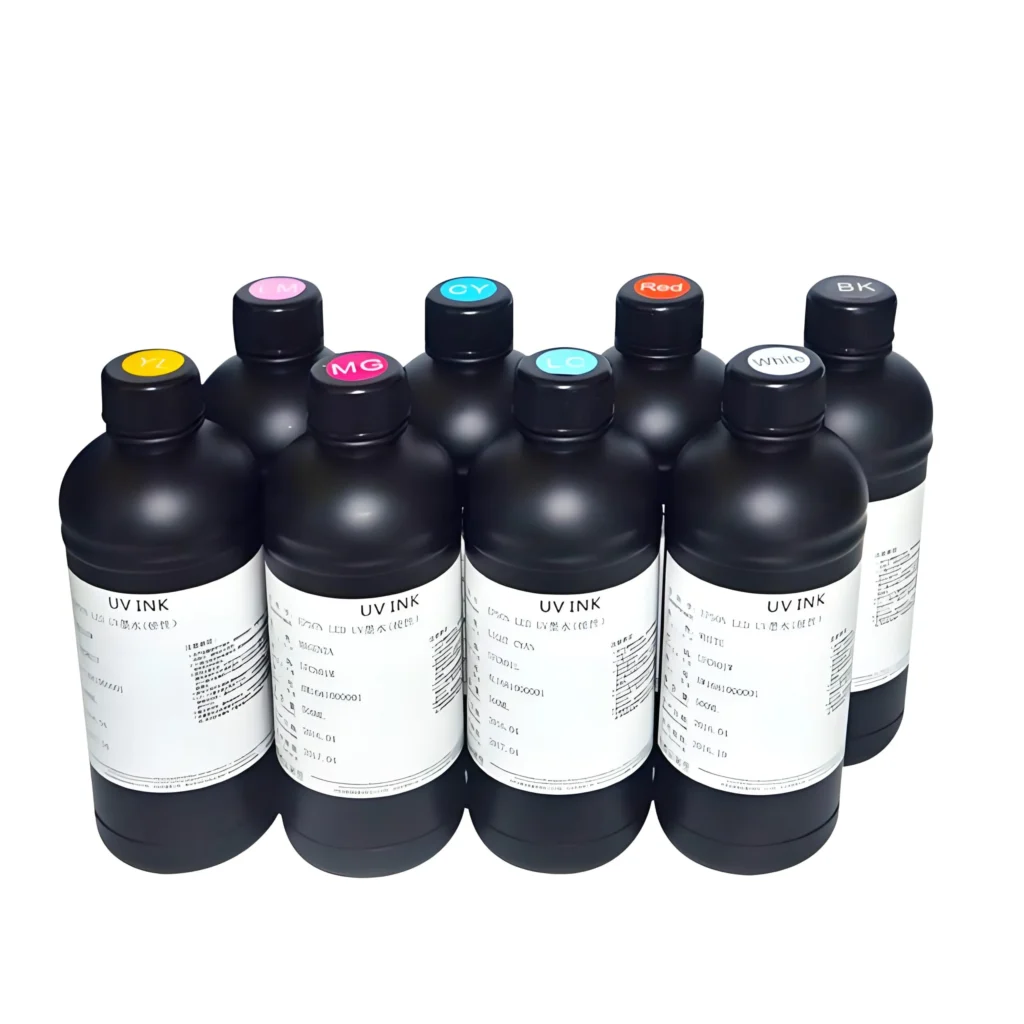
The printing method affects how long graphics remain vibrant under harsh coastal conditions. UV-cured inks generally outperform solvent-based alternatives in high-UV environments. They bond more effectively to the vinyl surface and resist fading better over time.
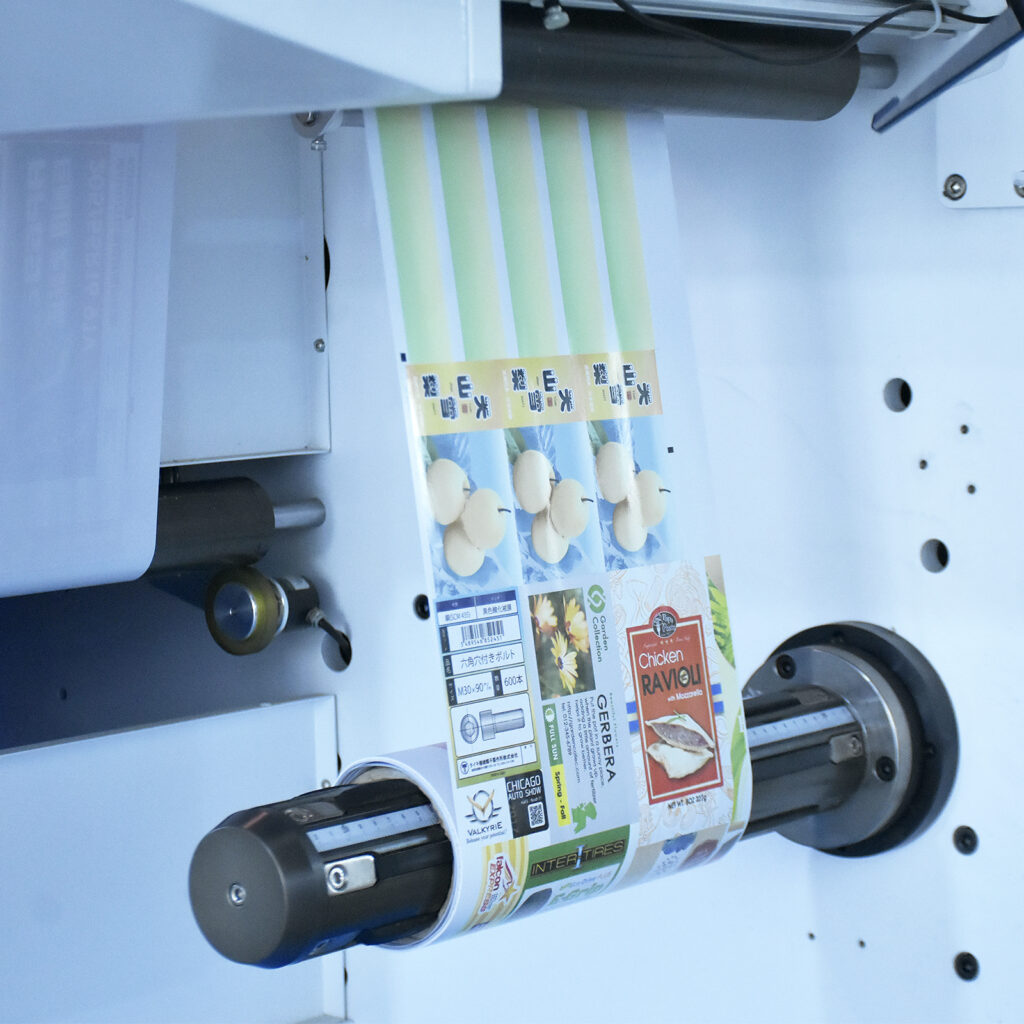
Banners produced with quality UV Digital Inkjet Printer technology tend to maintain their appearance longer than those made with older printing methods. The investment in proper printing technology pays dividends in marine settings especially.
Lamination Options
Adding a protective laminate layer provides extra defense against UV damage and salt accumulation. Matte or gloss finishes are available—matte tends to show dirt less obviously, which might matter in dusty coastal areas.
The laminate also makes cleaning easier, which becomes relevant when salt residue builds up on the banner surface
Installation Best Practices for Coastal Areas
How a banner gets installed affects its longevity nearly as much as the material quality itself. Marine environments demand extra attention to installation details.
Hardware Selection
Using the wrong hardware is probably the most common mistake in marine banner installations. Standard zinc-plated grommets and steel cables will corrode surprisingly quickly in salt air.
Better choices include:
• Stainless steel grommets and attachment points
• Nylon or polypropylene ropes instead of natural fiber
• Bungee tie-downs that absorb wind stress
• Aluminum or stainless mounting brackets
Wind Management
Coastal areas tend to be windier than inland locations. Vinyl banners act like sails, catching wind and creating stress on attachment points. Managing this issue involves several approaches:
1. Install wind slits (small cuts in the banner) to allow air passage
2. Consider mesh banner material for extremely windy locations
3. Use all available grommet points to distribute tension
4. Allow slight slack rather than stretching the banner drum-tight
5. Position banners parallel to prevailing wind direction when possible
Ignoring wind considerations basically guarantees a shorter banner lifespan. Torn grommets and ripped edges are the predictable result.
Maintenance Requirements in Marine Environments
Vinyl banners in coastal settings need more attention than those in gentler environments. Regular maintenance extends useful life considerably.
Cleaning Recommendations
Salt residue accumulates on banner surfaces and can eventually affect appearance and even material integrity. Periodic cleaning helps:
• Rinse with fresh water every few weeks (more often if visibly dirty)
• Use mild soap for stubborn salt buildup
• Avoid harsh chemicals or abrasive scrubbing
• Allow complete drying before rolling for storage
Inspection Routine
Checking banners regularly catches small problems before they become big ones:
• Look for grommet corrosion or loosening
• Check edges for fraying or tears beginning to form
• Examine mounting hardware for rust or weakness
• Assess print fading to determine remaining useful life
When to Choose Alternatives
Sometimes vinyl banners simply aren’t the best choice for a particular marine application. Situations where alternatives might work better include:
• Permanent installations expected to last multiple years
• Locations with extreme, consistent high winds
• Applications requiring absolute color consistency over time
• High-visibility safety signage where fading could create problems
Rigid signage materials or specialty marine-grade fabrics might serve better in these specific cases, despite higher costs.
Final Assessment
So, are vinyl banners suitable for outdoor marine environments? Yes—with caveats. They can work well for temporary to medium-term applications when proper materials are selected and appropriate installation practices are followed. Expecting them to last as long as they would in gentler environments isn’t realistic though.
For marinas, beach events, coastal businesses, and waterfront promotions, vinyl banners remain a practical and cost-effective choice. Just go in with realistic expectations, invest in quality materials, and plan for more frequent replacement than you’d need elsewhere. That’s really the honest assessment. If you want to know more about vinyl banners, please read Are vinyl banners durable?