
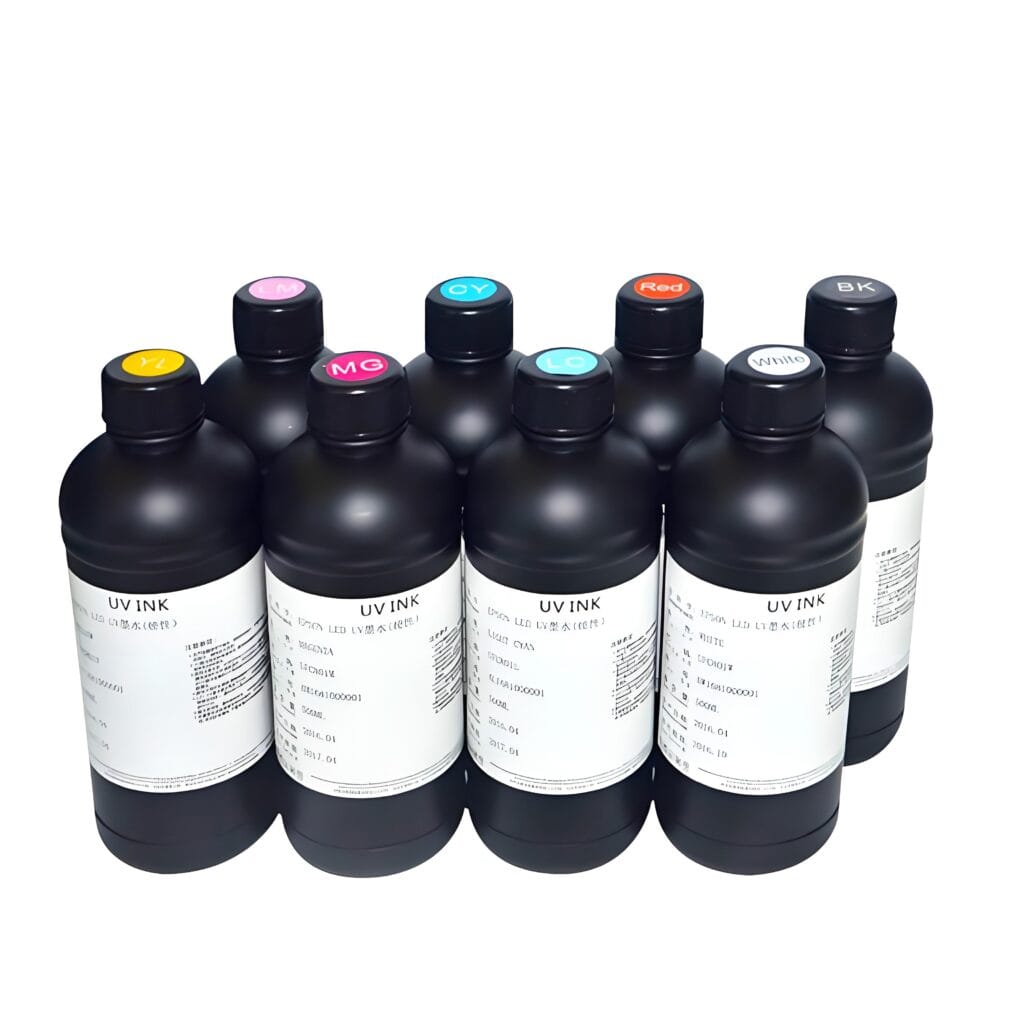
Yes, they can. And quite effectively too. Specialized UV printers have become increasingly capable of producing spot UV effects that once required separate coating equipment and multiple production steps. The technology has matured considerably over recent years, making in-house spot UV production accessible to print shops that previously outsourced this premium finishing option.
Though the results vary depending on equipment quality and technique.
How Specialized UV Printers Create Spot UV Effects
The process differs fundamentally from traditional spot UV coating methods. Conventional spot UV involves printing cards normally, then applying UV-curable varnish through a screen or plate, followed by UV lamp curing. Multiple machines, multiple passes, significant setup time.
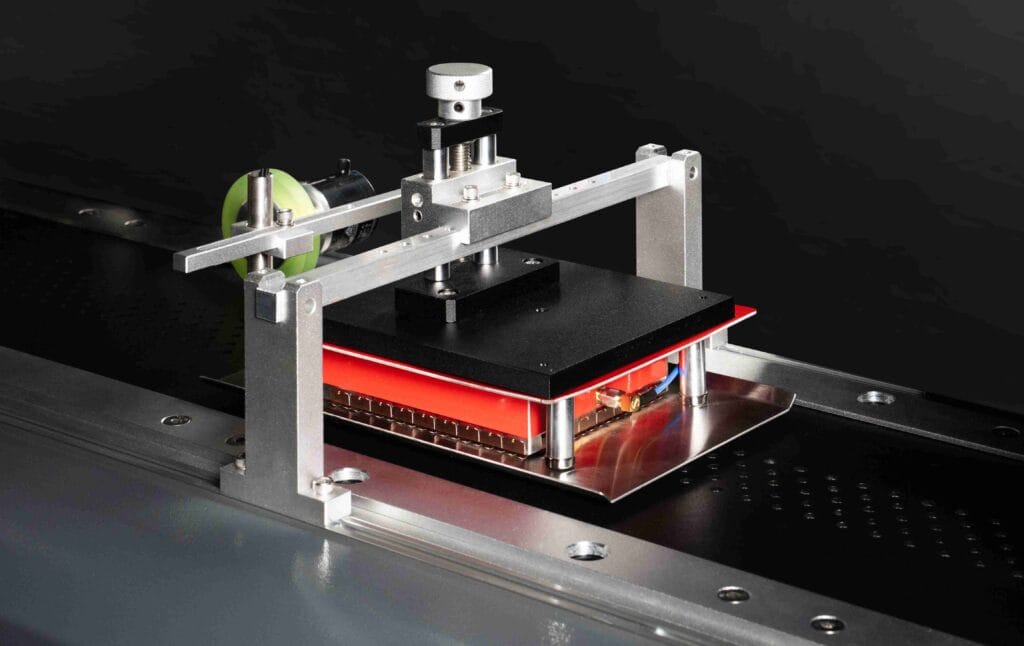
Digital UV printers consolidate much of this workflow. These machines apply UV-curable clear varnish directly through inkjet printheads—same technology used for printing colors, but depositing transparent coating instead. The varnish cures instantly under UV LED lamps built into the printer carriage.
What makes this particularly useful for business cards:
• Precise placement matching digital artwork files
• Variable data capability for unique designs per card
• No screens or plates required
• Immediate curing allows instant handling
• Multiple coating passes build dimensional height
The registration accuracy impresses most. Since the same machine handles both printing and coating, alignment between printed elements and spot UV areas remains consistent. Traditional methods sometimes show slight misregistration—visible when holding cards at certain angles.
Equipment Requirements for Spot UV Business Cards
Not every UV printer handles spot UV coating equally well. The capability depends on specific machine configurations and features.
| Merkmal | Basic UV Printers | Specialized UV Printers | Premium Production Models |
|---|---|---|---|
| Clear varnish channel | Sometimes | Ja | Ja |
| Multiple coating passes | Limited | Ja | Ja |
| Raised texture capability | Minimal | Mäßig | Hoch |
| Registration accuracy | Gut | Ausgezeichnet | Ausgezeichnet |
| Production speed | Slow | Mäßig | Fast |
| Maximum coating thickness | Thin | Medium | Thick |
Machines designed specifically for spot UV work include dedicated clear varnish channels. Some basic UV ink jet printer models can technically apply clear coating, but building the dimensional “raised” effect that defines premium spot UV requires multiple pass capability and appropriate varnish formulations.
Varnish Considerations
The coating material matters enormously. UV-curable varnishes come in different viscosities and gloss levels. Thicker formulations build height faster but may require specialized printheads designed for higher-viscosity fluids. Standard CMYK heads sometimes struggle with coating materials.
Gloss level affects final appearance too. High-gloss varnish creates that dramatic wet-look shine contrasting against matte card stock. Some applications call for satin or even matte varnish—softer effects that add texture without intense shine.
Achieving Quality Results with Specialized UV Printers
Several factors determine whether spot UV business cards from digital UV equipment rival traditionally produced alternatives.
Substrate Selection Matters
Card stock choice significantly impacts final results. The contrast between coated and uncoated areas defines spot UV appeal. Matte or uncoated stocks show the most dramatic difference—glossy varnish pops against the flat background. Already-glossy stocks diminish the effect since less contrast exists.
Recommended substrates:
• Soft-touch laminated cards (excellent contrast)
• Uncoated premium cotton stocks
• Matte laminated cards
• Velvet-finish papers
• Textured specialty stocks
Some printers struggle with extremely thick card stock. Feed mechanisms and vacuum systems designed for thinner materials may jam or misposition heavy substrates. Checking manufacturer specifications for maximum thickness saves frustration.
Building Dimensional Height
That tactile raised sensation distinguishing premium spot UV requires layering. Single-pass coating produces shine but minimal texture. Multiple passes—sometimes three, four, or more—build noticeable dimension.
Each pass adds approximately 10-30 microns depending on varnish and equipment. Four passes might achieve 80-100 microns total height. Enough to feel distinctly when running fingers across the card surface.
The process takes time obviously. Production speed decreases with each additional pass. Balancing quality expectations against output requirements becomes necessary for commercial operations.
Comparing Digital vs Traditional Spot UV Methods
Both approaches have legitimate places in production workflows. The choice depends on volume, variability, and quality requirements.
Traditional offset spot UV advantages:
• Higher maximum coating thickness
• Faster production on very long runs
• Lower per-unit cost at scale
• Established industry acceptance
Digital specialized UV printer advantages:
• No setup costs or plate charges
• Short runs economically viable
• Variable data capability
• Faster turnaround on small orders
• One machine handles everything
For print shops producing Vollfarbe digital business cards with personalization—names, unique QR codes, individual designs—digital spot UV makes considerable sense. The technology accommodates variation naturally since every print can differ without workflow changes.
Traditional methods still dominate very long runs. Printing 50,000 identical cards? Offset with conventional spot UV coating probably costs less per unit despite setup charges.
Common Challenges and Solutions
Even capable equipment produces disappointing results without proper technique and setup.
Frequent issues include:
• Insufficient coating thickness creating underwhelming effect
• Poor adhesion causing varnish flaking
• Visible texture patterns from printhead banding
• Misregistration between artwork and coating
• Inconsistent gloss levels across production runs
Troubleshooting Poor Adhesion
Varnish flaking off cards after production frustrates everyone. Usually indicates surface contamination or incompatible substrates. Some coatings require surface treatment or primers on certain stocks. Cleaning card surfaces before coating helps considerably—oils from handling contaminate surfaces invisibly.
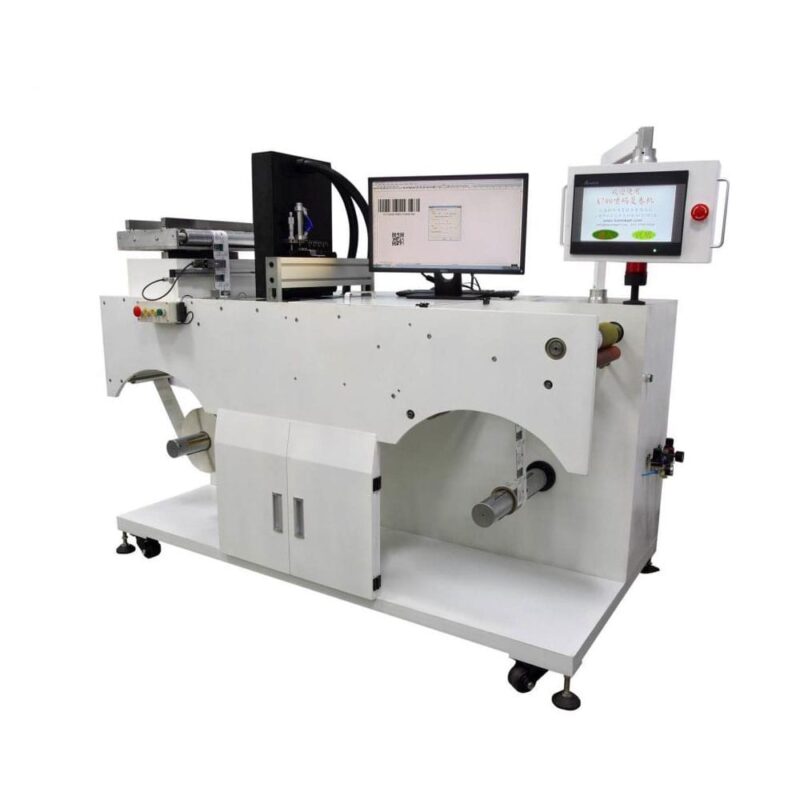
Proper curing matters too. Undercured varnish never achieves full hardness, remaining tacky or weak. LED lamp power, print speed, and coating thickness all affect cure quality. A VDP inspection system can verify coating integrity on variable data runs where manual inspection becomes impractical.
Business Applications Beyond Basic Cards
Spot UV capability extends well beyond standard business cards. Specialized UV printers handle various premium print products.
Applications include:
• Wedding invitations with raised floral elements
• Book covers featuring dimensional titles
• Packaging with tactile brand elements
• Marketing materials emphasizing key visuals
• Event tickets with security features
• Premium labels and tags
The technology essentially adds another creative dimension. Designers can specify exactly which elements receive raised glossy treatment, creating visual and tactile hierarchies within printed pieces.
Final Thoughts
Specialized UV printers absolutely produce quality spot UV business cards. The technology has reached a maturity level where digital methods genuinely compete with traditional coating processes—particularly for shorter runs and variable data applications. Understanding equipment capabilities, substrate requirements, and technique fundamentals helps print operations achieve premium results that impress clients and command higher pricing.
FAQ
How thick can spot UV coating get on digital UV printers?
Most specialized UV printers achieve coating heights between 50 and 200 microns through multiple passes. Entry-level machines may cap around 80 microns. Premium production equipment with high-build varnish capability sometimes exceeds 300 microns for dramatic sculptural effects. Traditional screen-applied spot UV can reach 500+ microns, though such extreme thickness rarely appears on business cards anyway. For typical spot UV business card applications, 80-150 microns provides satisfying tactile dimension.
Do spot UV business cards cost more to produce digitally?
Per-unit costs depend heavily on run length. Short runs of 50-500 cards typically cost less digitally since no plates or screens need creating. Longer runs eventually favor traditional methods as setup costs amortize across more units. Material costs—varnish consumption—remain fairly consistent regardless of method. Labor costs often favor digital since single-operator workflows require less handling than multi-step traditional processes.
Can existing UV printers add spot UV capability through upgrades?
Sometimes possible, depending on printer architecture. Some manufacturers offer clear varnish channel additions or ink channel conversions for existing equipment. Others designed machines without upgrade paths—the hardware simply lacks necessary components. Consulting with equipment manufacturers or dealers reveals specific upgrade options for particular models. Purchasing new specialized UV printers purpose-built for spot UV work often proves more practical than modifying equipment not originally designed for coating applications.