
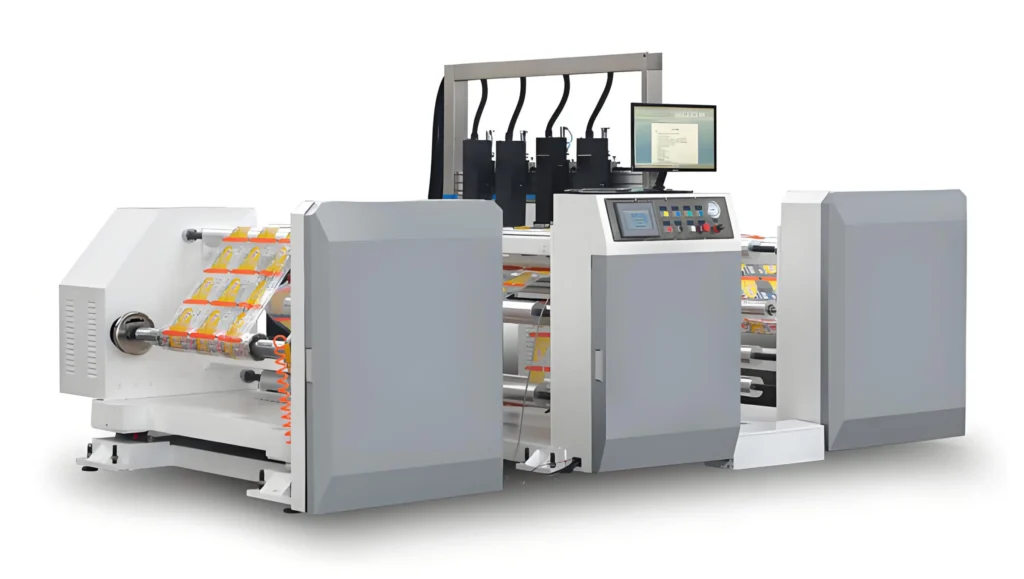
Yes, it can. A Impresora UV handles plastic substrates exceptionally well—often better than many other materials. The instant curing process bonds ink to plastic surfaces without requiring absorption, which makes perfect sense since plastic doesn’t absorb anything anyway. That’s actually the beauty of UV technology on non-porous materials.
The results can be genuinely impressive.
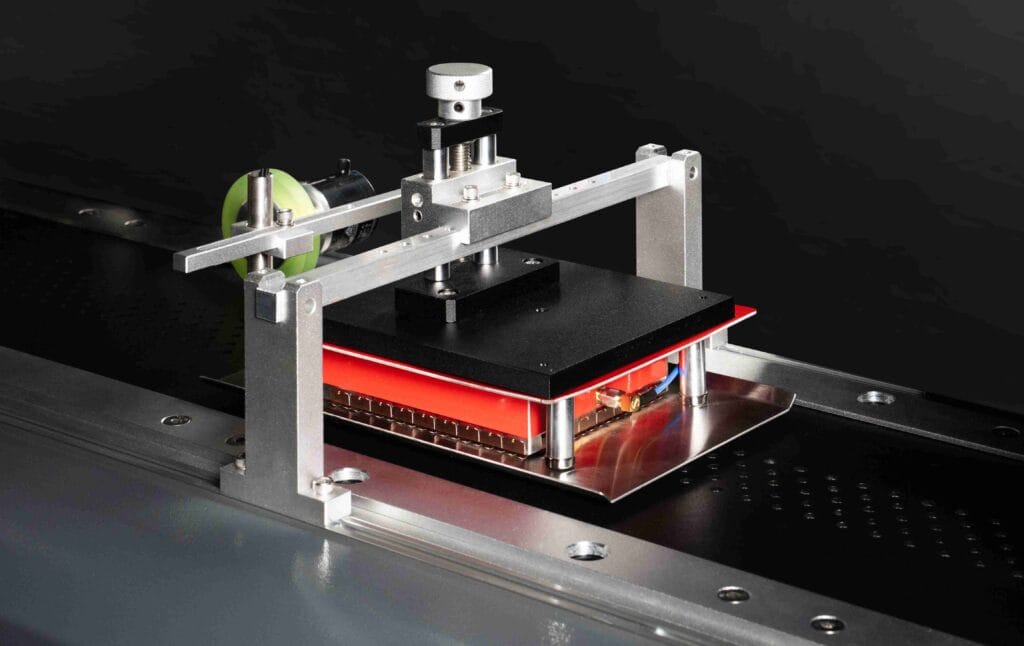
How a UV Printer Bonds Ink to Plastic Surfaces
Understanding why this works helps explain the excellent results. Traditional solvent or water-based inks need absorption into substrate fibers to adhere properly. Plastic offers no such absorption. Those inks would simply bead up, smear, or peel away.
UV-curable inks operate differently. They remain liquid until exposed to ultraviolet light, then instantly polymerize—transforming from wet ink into solid, durable film within seconds. This chemical reaction creates mechanical and chemical bonds with the plastic surface rather than relying on absorption.
The curing happens immediately after ink deposition. LED lamps mounted on the printhead assembly expose each pass of ink before it can migrate, spread, or contaminate subsequent colors. By the time printing completes, the ink is already fully cured and ready for handling.
For businesses exploring equipment options, a quality UV ink jet printer opens possibilities across numerous plastic applications that conventional printing simply cannot address.
Plastic Types and UV Printer Compatibility
Not every plastic performs identically. Surface energy, chemical composition, and physical properties all influence adhesion and print quality.
| Plastic Type | Surface Energy | UV Adhesion | Notes |
|---|---|---|---|
| Acrylic (PMMA) | Alta | Excelente | Ideal substrate |
| Polycarbonate | Medium-high | Very good | Common signage material |
| PVC/Vinyl | Medium | Very good | May require testing |
| ABS | Medium | Bien | Treatment sometimes helps |
| Polystyrene | Bajo | Moderado | Often needs treatment |
| Polyethylene (PE) | Very low | Poor | Surface treatment required |
| Polypropylene (PP) | Very low | Poor | Surface treatment required |
High surface energy plastics accept UV inks readily. Acrylic stands out as perhaps the ideal substrate—smooth, consistent, excellent ink adhesion without special preparation. Polycarbonate performs similarly well and brings additional impact resistance for demanding applications.
Low surface energy plastics—polyethylene and polypropylene particularly—present challenges. Ink wants to bead up rather than spread evenly. These materials require surface treatment before printing becomes viable.
Surface Preparation for Difficult Plastics
Some plastics need help accepting ink properly. Several treatment methods increase surface energy and improve adhesion dramatically.
Common surface treatment approaches:
• Corona treatment (electrical discharge)
• Flame treatment (brief controlled exposure)
• Plasma treatment (ionized gas)
• Chemical primers or adhesion promoters
• Mechanical abrasion (light sanding)
Corona and plasma treatments modify the plastic surface at molecular level, increasing surface energy without visible change. These methods work well for production environments handling significant volumes.
For smaller operations, adhesion promoter sprays or wipes provide simpler solutions. Apply, allow drying, then print. The results—while not quite matching corona treatment—often prove adequate for many applications.
Testing Before Production
Here’s something worth emphasizing. Always test. Every plastic formulation differs slightly. Additives, colorants, stabilizers, and processing variations all affect ink adhesion. A successful test on one batch of acrylic doesn’t guarantee identical results from a different supplier.
Simple adhesion tests—cross-hatch scratch testing, tape pull tests—reveal potential problems before committing to full production runs. The few minutes spent testing saves hours of reprinting and customer disappointment.
Popular Applications for Plastic Printing
UV printing on plastic serves countless commercial and industrial purposes.
Common applications include:
1. Point-of-purchase displays
2. Signage and wayfinding systems
3. Packaging prototypes
4. Industrial labels and nameplates
5. Control panels and overlays
6. Promotional items and giveaways
7. Phone cases and accessories
The ability to produce digital a todo color prints on rigid plastic materials enables applications previously requiring screen printing or expensive tooling. Short runs become economically viable. Personalization becomes practical.
Businesses handling variable data products—serialized labels, personalized promotional items—benefit from quality verification systems. A VDP inspection system catches errors on unique items where each print differs from the last.
Achieving Optimal Print Quality on Plastic
Several factors influence final output quality beyond basic adhesion success.
Ink Selection and Settings
Not all UV inks perform equally on plastic. Flexible inks accommodate substrates that bend without cracking. Rigid inks—while often more scratch-resistant—may fracture on flexible plastics. Matching ink formulation to application requirements matters considerably.
White ink plays crucial roles on transparent or colored plastics. Without white underbase, colors appear washed out or shift based on substrate color. Printing white, then colors, then white again—a “white sandwich”—creates opacity and vibrancy on clear acrylics.
Key quality factors:
• Proper ink selection for substrate flexibility
• Correct white ink layering for opacity
• Appropriate cure settings for complete polymerization
• Clean substrate surfaces free from oils or residue
• Controlled environment temperature and humidity
Durability and Performance Considerations
UV prints on plastic demonstrate impressive durability for most applications. The cured ink resists scratching, chemicals, moisture, and UV light exposure better than many alternative printing methods.
Indoor applications generally perform excellently over extended periods. Years of service without noticeable degradation proves typical for properly printed pieces. Outdoor exposure presents greater challenges—extended UV light exposure eventually affects even UV-cured inks, though degradation progresses slowly.
Additional protective clear coats extend outdoor durability significantly. These overlaminates also add gloss variation options—from high shine to matte finishes depending on aesthetic requirements.
Final Thoughts
A UV printer opens remarkable possibilities with plastic substrates. The technology elegantly solves the fundamental challenge of printing on non-porous materials. From promotional products to industrial applications, the combination of adhesion, durability, and print quality makes UV printing the preferred method for countless plastic printing needs. Understanding substrate variations and preparation requirements leads to consistently excellent results.
PREGUNTAS FRECUENTES
Does a UV printer work on flexible plastic sheets?
Yes, with appropriate ink selection. Flexible UV inks formulated for bendable substrates accommodate movement without cracking or flaking. Standard rigid inks may fail on materials that flex repeatedly—fine initially but developing cracks over time. For applications involving bending, rolling, or repeated flexing, specifying flexible ink chemistry proves essential.
How scratch-resistant are UV prints on plastic?
Quite resistant for normal handling. UV-cured inks create durable polymer films that withstand typical contact without damage. However, aggressive abrasion or sharp objects can scratch any printed surface. High-wear applications benefit from additional protective overlaminates or specialized scratch-resistant ink formulations. The baseline durability impresses most users though.
Can a UV printer print on textured plastic surfaces?
It can, though results vary with texture depth. Light textures print well—ink follows surface contours reasonably. Heavy textures or deeply embossed patterns may show incomplete coverage in recessed areas. Printhead height adjustments help accommodate surface irregularities. Very rough or uneven surfaces present practical limitations where ink simply cannot reach all areas consistently.