

Yes—and that’s precisely what these machines were designed for. A DTG printer excels at printing directly onto T-shirts, producing photographic-quality images with soft hand feel. The technology has revolutionized custom apparel production. What once required screens, setups, and minimum orders now happens with a few clicks and one garment at a time.
Pretty remarkable when you think about it.
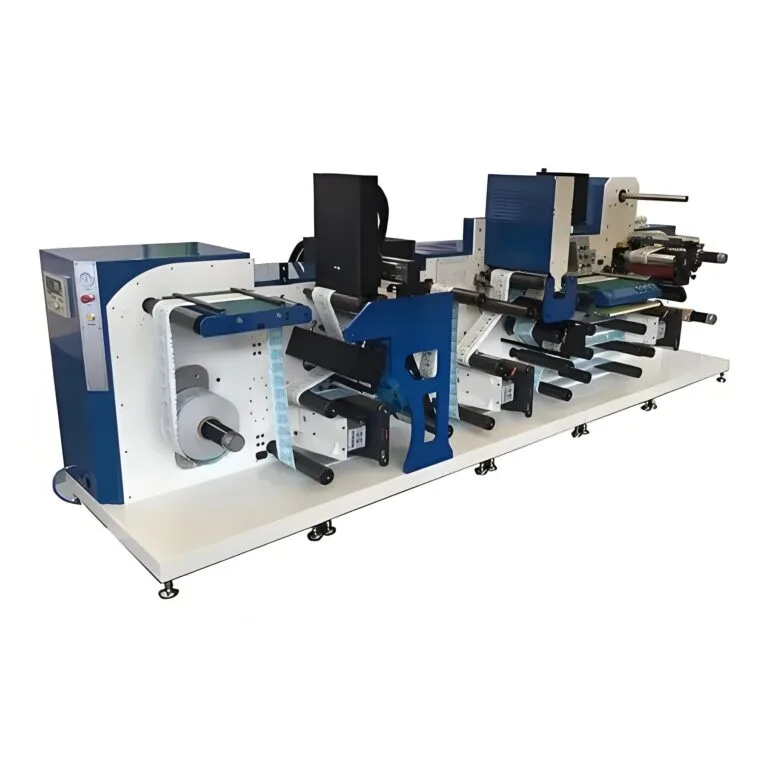
How a DTG Printer Works on T-shirt Fabric
The process seems deceptively simple. Load a T-shirt, send the design file, press print. But underneath that simplicity lies sophisticated technology working to bond water-based textile inks into cotton fibers.
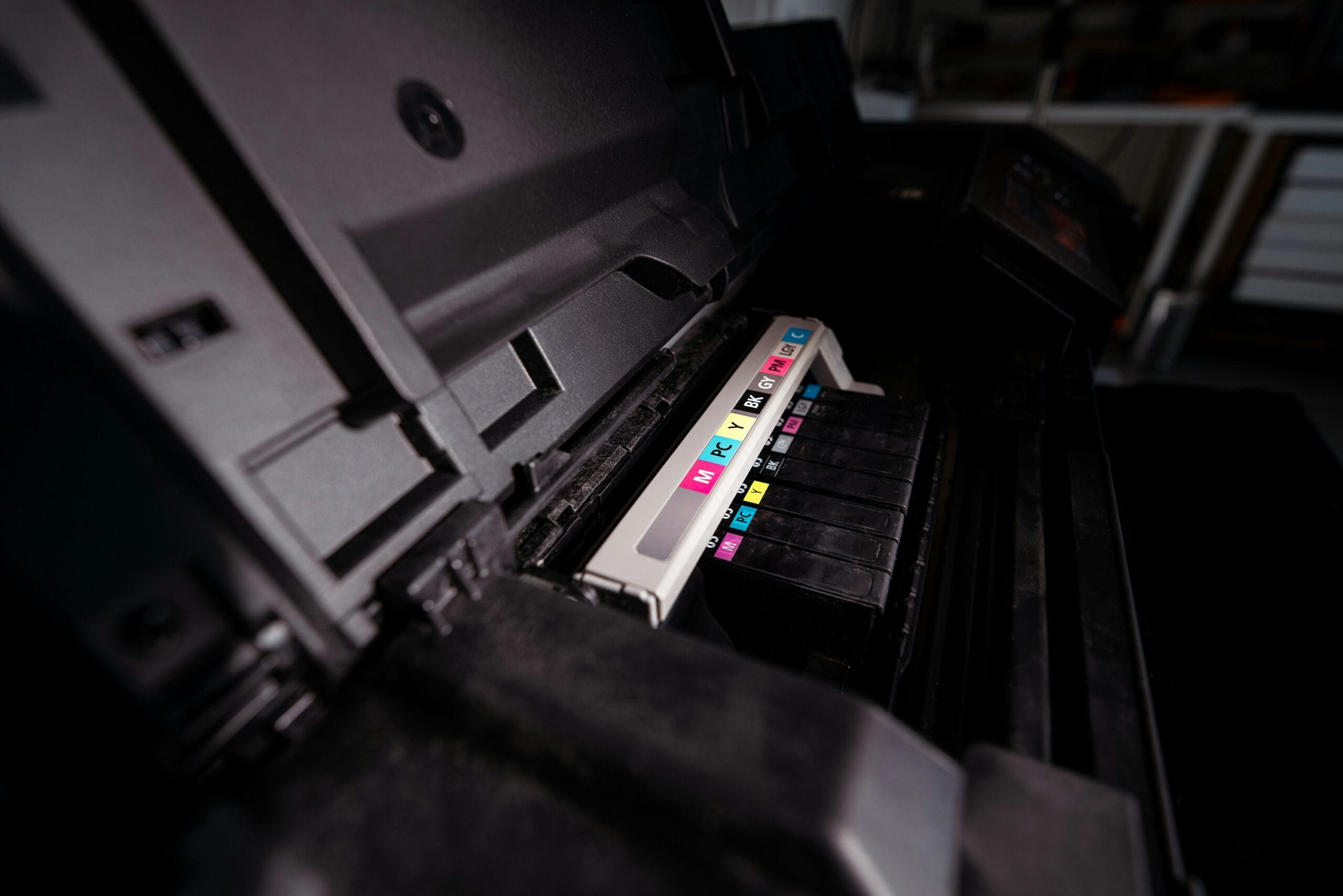
Unlike screen printing that pushes ink through mesh stencils, direct-to-garment printing sprays microscopic ink droplets directly onto fabric. The printhead moves across the garment surface, depositing precise amounts of ink exactly where needed. No screens. No setup fees. No color limitations.
The ink absorbs into the cotton fibers rather than sitting on top like plastisol screen printing inks. This creates that soft, breathable feel customers love. After printing, heat pressing or conveyor curing activates the ink chemistry, bonding it permanently to the fabric.
For businesses exploring equipment options, a quality UV ink jet printer handles rigid substrates while DTG machines specialize specifically in textiles—different tools for different applications.
The Role of Pretreatment
Here’s something many newcomers overlook. Dark-colored T-shirts require pretreatment before printing. This liquid solution creates a base layer that helps white ink adhere and prevents it from sinking into dark fabric fibers.
Without pretreatment, white ink on black shirts looks washed out, grayish, uneven. The pretreatment essentially primes the surface. Light-colored shirts—white, cream, pastels—often skip this step entirely since no white ink base is needed.
The pretreatment process adds time and cost. But it’s absolutely necessary for quality results on darks.
Best Fabrics for DTG Printer Applications
Not every T-shirt works equally well. Fabric composition dramatically affects print quality and durability.
| Fabric Type | DTG Compatibility | Calidad de impresión | Wash Durability |
|---|---|---|---|
| 100% Cotton | Excelente | Outstanding | Very good |
| Cotton/Poly 50/50 | Bien | Bien | Bien |
| Cotton/Poly 80/20 | Very good | Very good | Very good |
| 100% Polyester | Poor | Limited | Poor |
| Tri-blend | Bien | Bien | Bien |
| Ring-spun cotton | Excelente | Outstanding | Very good |
Cotton remains king for DTG printing. The natural fibers absorb water-based inks beautifully, creating vibrant colors and excellent wash durability. Ring-spun cotton—where fibers are twisted tighter—produces even smoother print surfaces.
Polyester presents challenges. The synthetic fibers resist water-based ink absorption. Some newer DTG technologies address this, but results still lag behind cotton performance. Blended fabrics fall somewhere in between, with higher cotton content generally producing better outcomes.
The Printing Process Step by Step
Understanding the workflow helps set realistic expectations for production speed and quality.
Standard DTG printing workflow:
1. Prepare the artwork file (high resolution, proper color profile)
2. Apply pretreatment to dark garments
3. Dry pretreatment completely using heat press
4. Load T-shirt onto printing platen
5. Flatten and position garment properly
6. Print white base layer (dark garments only)
7. Print color layers
8. Heat cure the finished print
9. Quality check before packaging
Each step matters. Rushing through pretreatment drying causes adhesion failures. Improper garment positioning creates crooked prints. Insufficient curing leads to washing out after first laundry cycle.
Production facilities handling significant volumes often implement quality verification systems. A VDP inspection system proves valuable when producing personalized items where each print contains unique data or designs.
Advantages Over Traditional Methods
DTG printing offers distinct benefits that explain its growing popularity.
Key advantages include:
• No minimum order quantities
• Full-color photographic reproduction
• Soft hand feel on finished garments
• Quick turnaround for small orders
• Easy design changes between prints
• Reduced inventory requirements
• Lower startup costs than screen printing
For businesses offering digital a todo color printing services, DTG expands capabilities into the massive custom apparel market. One-off prints become profitable rather than impractical.
The economics shift completely. Screen printing wins on large quantities—500 shirts of the same design. But DTG dominates small runs, personalized items, and on-demand production models.
Common Quality Considerations
Several factors influence final print quality and customer satisfaction.
Artwork Preparation
Resolution matters enormously. Low-resolution images that look acceptable on screens appear pixelated and blurry when printed. Minimum 300 DPI at actual print size represents the standard recommendation. Vector artwork scales infinitely without quality loss—ideal for logos and text-heavy designs.
Color matching presents ongoing challenges. What appears on computer monitors won’t exactly match printed output. Managing customer expectations around color accuracy prevents disappointment and reprints.
Final Thoughts
A DTG printer transforms T-shirt customization from complex manufacturing into accessible digital production. The technology continues advancing—faster speeds, better white ink coverage, improved polyester compatibility. For custom apparel businesses, understanding both capabilities and limitations leads to satisfied customers and profitable operations.
PREGUNTAS FRECUENTES
How many washes will DTG prints last?
Properly printed and cured DTG prints typically withstand 50+ washes without significant fading or cracking. Washing inside-out on cold settings extends lifespan further. Poor curing or inadequate pretreatment causes premature failures—sometimes after just a few washes. The process execution matters as much as the equipment quality.
Can a DTG printer handle bulk orders?
It can, though efficiency decreases compared to screen printing for large identical runs. Printing 500 identical shirts takes considerably longer via DTG than automated screen printing. However, DTG excels at bulk orders where each shirt differs—sports teams with individual names and numbers, for instance. The technology shines with variety rather than repetition.
Does DTG work on colored T-shirts?
Yes, with proper pretreatment. Light colors print well on medium-toned shirts. Dark designs on any color work without issues. Full-color photographic images on dark shirts require white ink underbase—adding time and cost but delivering impressive results. The versatility across garment colors remains one of DTG’s strongest selling points.