
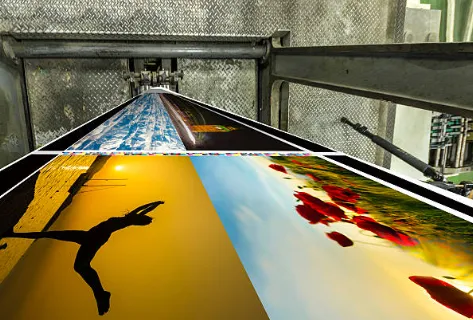
The short answer is yes. Absolutely yes. A batch coding machine is specifically engineered to print large volumes of codes—that’s essentially the entire point of the technology. But “a lot” means different things to different operations, and the actual output capacity varies enormously depending on the equipment, the application, and a handful of other factors worth understanding.
So while the simple answer satisfies curiosity, the practical answer requires a bit more exploration.
What Exactly Does a Batch Coding Machine Do?
Before diving into volume capabilities, it helps to clarify what these machines actually accomplish. A batch coding machine prints variable information onto products or packaging during production. Batch numbers, obviously. But also expiration dates, manufacturing dates, lot codes, serial numbers, barcodes, QR codes—basically any information that changes from batch to batch or even item to item.
This differs from pre-printed packaging where information stays fixed. Variable data demands real-time printing, which is where coding machines earn their place on production lines.
Industries relying heavily on this technology include:
- Food and beverage manufacturing
- Pharmaceutical production
- Cosmetics and personal care
- Chemical and industrial products
- Electronics and components
- Building materials
Anywhere regulatory compliance requires traceability—and that’s most manufacturing sectors these days—batch coding becomes essential rather than optional.
How Much Can They Actually Print?
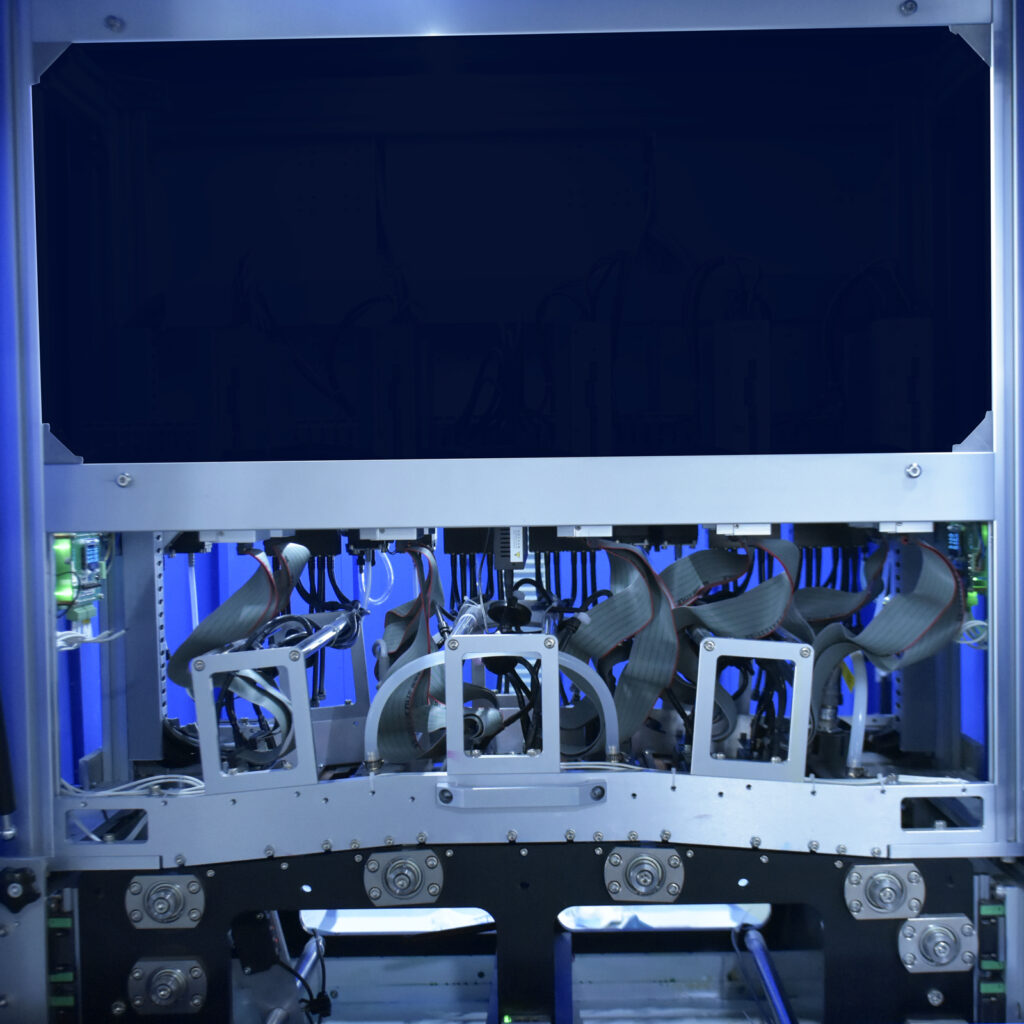
Here’s where things get interesting. Modern batch coding machine systems handle impressive volumes, though specific numbers depend on several variables.
| Machine Type | Typical Speed | Daily Capacity (8hr shift) | Best Applications |
|---|---|---|---|
| Continuous Inkjet (CIJ) | 1,000-2,000+ products/min | 480,000-960,000+ | High-speed lines, beverages, cables |
| Inyección térmica de tinta (TIJ) | 300-600 products/min | 144,000-288,000 | Cartons, labels, pharmaceuticals |
| Thermal Transfer (TTO) | 200-500 products/min | 96,000-240,000 | Flexible packaging, films |
| Laser Coding | 1,000-2,000+ products/min | 480,000-960,000+ | Permanent marks, high-volume |
| Large Character Inkjet | 60-150 products/min | 28,800-72,000 | Outer cases, shipping boxes |
Those numbers look massive. And they are. A well-configured continuous inkjet system on a beverage line can code millions of bottles weekly without breaking a sweat. The technology has matured to the point where speed rarely becomes the limiting factor—usually the bottleneck sits elsewhere in the production process.
But raw speed only tells part of the story.
Factors That Affect Actual Output
Theoretical maximum speeds rarely match real-world performance. Several practical considerations influence how much a batch coding machine actually produces during a shift.
Line Speed Integration
The coding machine can only print as fast as products move past it. A coder capable of 1,500 prints per minute accomplishes nothing extra if the conveyor delivers only 400 products per minute. Matching equipment to actual line speeds matters more than chasing maximum specifications.
Code Complexity
Simple date codes print faster than elaborate multi-line messages with graphics. A two-line alphanumeric batch code takes less time than a detailed QR code containing extensive product data. More information means more print time per unit—sometimes negligibly, sometimes significantly.
Substrate Challenges
Some materials accept ink readily. Others resist it. Printing on porous cardboard differs dramatically from coding glossy plastic film or metal cans. Difficult substrates may require slower speeds for proper adhesion and readability.
Environmental Conditions
Temperature, humidity, dust levels—all affect performance. A batch coding machine operating in a cold warehouse behaves differently than one in a humid tropical facility. Environmental factors rarely stop production entirely, but they can force speed adjustments.
Continuous Operation Considerations
Running a batch coding machine at high volumes continuously raises practical questions beyond pure speed capability.
Ink or ribbon consumption becomes significant at scale. A system printing half a million codes daily consumes considerable supplies. Operators need inventory management systems to avoid unexpected stockouts mid-shift. Nothing halts production faster than running out of ink with orders waiting.
Maintenance intervals require attention. Print heads need cleaning. Filters need replacing. Moving parts wear. Scheduling brief maintenance windows prevents unplanned downtime that disrupts production schedules.
Message management grows complex with multiple products and SKUs. Switching between different batch codes, different date formats, different languages—modern systems handle this through database integration, but someone has to manage that database accurately.
Things to monitor during high-volume operation:
- Ink levels and supply inventory
- Print quality consistency across the run
- Code readability verification (manual or automated)
- Error rates and rejected products
- Equipment temperature and performance indicators
Production environments that treat coding machines as “set and forget” equipment eventually encounter problems. Those that build monitoring into standard procedures tend to maintain higher actual output over time.

Quality vs. Quantity Trade-offs
Pushing any batch coding machine toward maximum speed typically involves compromises. Understanding these trade-offs helps operations find the right balance.
Print resolution often suffers at extreme speeds. Characters may appear slightly less sharp, less defined. For basic batch codes where readability matters more than aesthetics, this barely matters. For consumer-facing codes where appearance affects brand perception, it might matter quite a lot.
Verification becomes harder at high speeds. Automated vision systems can keep pace, but manual inspection grows impossible beyond certain rates. Operations without automated verification may need to slow down simply to maintain quality control capability.
Error recovery grows more costly as speed increases. A coding error at 100 units per minute wastes perhaps a few hundred products before detection. That same error at 1,500 units per minute destroys thousands before anyone notices. Higher speeds demand better upstream controls.
Common quality considerations at high volume:
- Character formation and clarity
- Code positioning accuracy
- Ink adhesion and durability
- Barcode/QR code scan rates
- Consistency across production runs
The batch coding machine that delivers the most value isn’t always the fastest one—it’s the one that maintains acceptable quality at the speed actually needed.
Industry-Specific Volume Requirements
Different sectors bring different expectations to the table. What counts as “a lot” varies considerably.
Beverage manufacturing represents the extreme end. Major bottling facilities run millions of units daily across multiple lines. Their batch coding machine requirements push technology limits regularly.
Pharmaceutical production prioritizes accuracy over raw speed. Serialization requirements, regulatory compliance, verification demands—all these factors matter more than achieving maximum throughput. Still, facilities code hundreds of thousands of units daily.
Food packaging falls somewhere between, with high volumes but also significant variety. Multiple product lines, seasonal variations, promotional packaging—flexibility matters alongside capacity.
Industrial products often involve lower unit counts but larger items. Coding shipping cases, drums, building materials—the numbers look smaller but the importance remains high.
Each context defines its own version of success for batch coding machine performance.
Choosing Equipment for High-Volume Applications
Selecting the right system for large-scale coding involves evaluating several factors honestly.
Key questions to consider:
- What’s the actual line speed, not the theoretical maximum?
- How complex are the codes being printed?
- What substrates need coding, and are they challenging?
- How many different products or SKUs require coding?
- What quality standards apply to the finished codes?
- What verification and inspection processes exist?
- How critical is uptime, and what backup plans exist?
Oversizing equipment wastes capital. Undersizing creates bottlenecks. The sweet spot involves realistic assessment of current needs plus reasonable allowance for growth.

Final Thoughts
Can a batch coding machine print a lot of codes? Without question. Modern systems handle millions of clear, accurate, scannable codes daily—but “a lot” remains relative, and the right machine for a small specialty producer differs entirely from what a multinational beverage company requires. What matters most is matching equipment capability to actual operational needs, choosing a system that reliably delivers consistent, dependable performance shift after shift rather than chasing impressive specifications on paper. For operations looking to combine high-volume batch coding with exceptional print quality across diverse substrates, exploring advanced UV Printers could be the next logical step—these systems deliver fast-curing, durable prints that hold up under demanding production conditions and open the door to capabilities traditional coding equipment simply can’t match.