
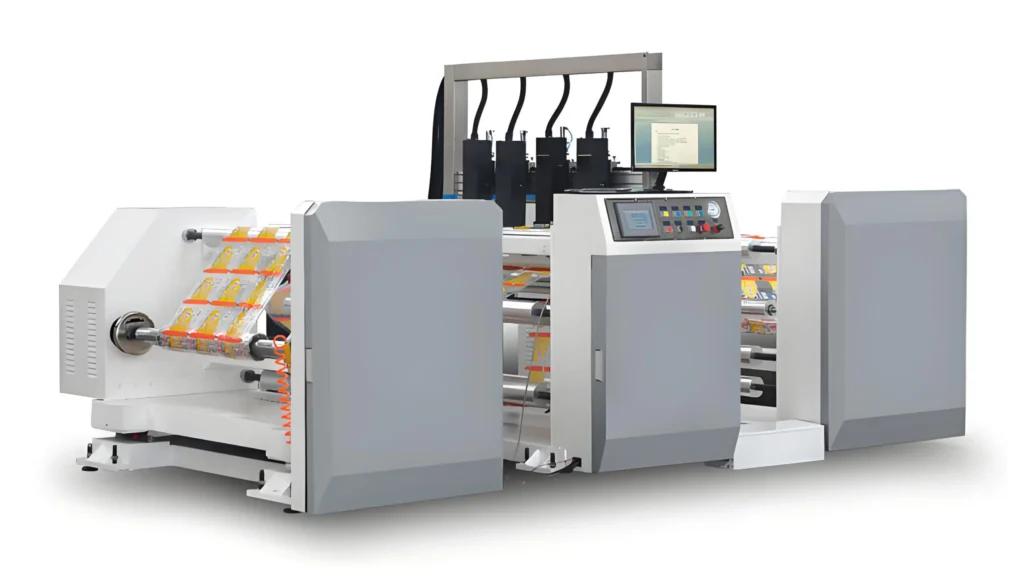
Let’s be real for a second. When browsing through equipment catalogs or walking the floor at a trade show, the price tags on UV printers can be enough to make anyone do a double-take. “Cheap” is probably the last word that comes to mind. It’s usually a significant number, the kind that requires financing or a serious sit-down with the accountant. But the question of whether they are cheap isn’t just about that initial number staring back at you; it’s a bit more complicated than that (as most things in the printing industry tend to be).
Defining “cheap” really depends on what you are comparing it to. If you compare a UV flatbed to a desktop inkjet from an office supply store, then no, it is astronomically expensive. But if you look at it as a manufacturing plant that fits in a garage, the perspective shifts a little.

The Sticker Shock is Real
There is no getting around it—entry-level UV printers generally start at a price point that filters out the casual hobbyist pretty quickly. You might find some small, direct-to-object converted units online for a few thousand dollars, but those are often fraught with technical headaches. For a reliable, professional-grade machine? The investment is substantial.
Why the high cost? It mostly comes down to the technology. Unlike standard printers that just squirt ink onto paper and wait for it to dry, UV technology is aggressive. It uses ultraviolet light to cure ink instantly. The lamps, the print heads (which have to handle thicker, curable inks), and the precision mechanics needed to print on thick objects like wood or acrylic—all of that hardware adds up. It’s heavy-duty stuff.
It’s Not Just a Printer, It’s a Factory
When someone buys a regular eco-solvent printer, they are usually buying a way to make stickers or banners. When a shop buys a UV machine, they are essentially buying the ability to do Digital a todo color printing on everything. It opens up markets for promotional products, signage, phone cases, and industrial parts. So, while the machine isn’t cheap, the capability it offers is massive.
Comparing Costs: UV vs. The Rest
To understand if UV printers are expensive, it helps to look at them side-by-side with other common technology found in print shops, like Eco-Solvent. One seems cheaper upfront, but the other might be cheaper in the long run depending on the workload.
Here is a quick breakdown of how they generally stack up against each other:
| Característica | Eco-Solvent Printer | UV Printer |
|---|---|---|
| Initial Purchase Price | Moderate ($10k - $20k range usually) | High ($20k - $50k+ usually) |
| Ink Cost | Generally lower per liter | Higher per liter |
| Compatibilidad de soportes | Rolls (Vinyl, Banner, Paper) | Rigid & Rolls (Wood, Glass, Metal, etc.) |
| Tiempo de secado | Needs time to outgas/dry | Instant curing (Ready immediately) |
| Maintenance Cost | Moderado | High (Lamps, expensive heads) |
Looking at the table, UV loses the “cheap” battle on almost every front regarding outgoing cash. But the “Media Compatibility” row is where the money comes back in.
The Hidden Costs You Might Miss
Buying the machine is just the entry fee. There are ongoing costs that people sometimes forget to factor in when they are dazzled by the ability to print on golf balls or ceramic tiles.
Maintenance on UV printers can be a bit of a beast. The ink is essentially liquid plastic that hardens when exposed to light. If that ink hardens inside the print head because someone forgot to clean it or the power went out? That is a very, very expensive mistake. Replacing a print head on a UV machine isn’t like changing a cartridge; it can cost thousands.
Then there are the consumables:
- UV Lamps: They don’t last forever (though LED UV lasts longer than the old mercury ones).
- Filters and Dampers: These need regular swapping to keep the ink flowing.
- Wasted Ink: Cleaning cycles use ink, and UV ink isn’t exactly cheap.
So, operationally, it is not a “cheap” machine to run if you aren’t keeping it busy. It needs to work to pay for its keep.
When "Expensive" Actually Becomes "Cheap"
Here is the twist, though. While UV printers are expensive to buy and maintain, they can make the production process “cheap” in terms of time and labor. And time, as everyone knows, is money.
Imagine a job for 100 yard signs.
• With Eco-Solvent: Print on vinyl, wait for it to dry (maybe hours), laminate it (more material cost, more labor), mount it to the board (labor, chance of bubbles/errors).
• With UV: Put the board on the table, hit print. Done.
The labor savings are huge. You cut out lamination entirely for most short-term signage. You cut out mounting. You cut out the waiting. Suddenly, that expensive machine just saved the shop three hours of labor and $50 in lamination material. Over a year, those savings add up to massive numbers.
The Margin Magic
The other factor is profit margin. UV printers allow shops to sell high-value items. Printing a logo on a generic Yeti-style tumbler might cost $0.50 in ink and 2 minutes of time. That tumbler can be sold for a $15 or $20 markup.
When selling high-margin promotional products, the machine pays for itself much faster than a printer that only churns out low-margin banners. In this specific context—Return on Investment (ROI)—the machine starts to feel a lot less expensive.
Buying Used or "Budget" Imports
Of course, there is always the temptation to find a loophole. The market is flooded with:
1. Used name-brand machines.
2. Budget imports (usually rebranded or direct from manufacturers overseas).
This is where things get risky. A “cheap” UV printer from an unknown brand might look like a steal at $5,000, but if there is no tech support and the software is in a language you don’t read, it becomes a very expensive paperweight. It happens more often than people like to admit. A used machine might have clogged lines that require thousands in repairs.
Sometimes, the “cheap” option ends up being the most expensive route because of the downtime and frustration involved.

Final Verdict
So, are UV printers cheap? No. They are premium industrial tools with a price tag to match. They are expensive to buy, expensive to fix, and the ink costs a pretty penny.
However, they are also incredibly powerful profit generators (if used correctly). They condense workflow, eliminate finishing steps like lamination, and open doors to markets with massive profit margins. If a shop has the volume and the clientele for it, the machine pays for itself, making the initial cost irrelevant in the long run. But for a hobbyist just starting out? It’s definitely a heavy lift. If you want to know more about UV printers, please read Are UV printers better than Eco Solvent printers?