

Printers have joined the ranks of our most valued implements in this age of increasing digital office and home printing demands. Yet when selecting a printer, we run up against an equally taxing question: Are inkjet printers more affordable than toners? It merits a deep dive because the answer varies with several factors — initial purchase cost, consumable costs, quality of output, speed of printing, and long-term usage costs. Here you will find a careful breakdown from different perspectives designed to guide you toward the best match for your requirements.
Ⅰ. Initial Purchase Cost: The Advantage of Inkjet Printers
In terms of initial purchase cost, Printers are undoubtedly the more cost-effective option. According to relevant data, inkjet printers are generally more affordable, making them suitable for budget-conscious home users and small businesses.
In contrast, the initial purchase price of laser printers is generally higher, especially for high-end models. While laser printers may be more cost-effective in the long run, their higher initial investment may deter some users with limited budgets.
Ⅱ. Consumable Costs: Toner vs. Ink
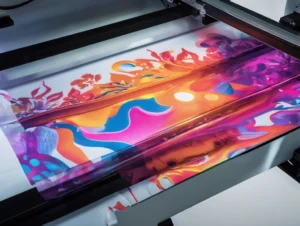
Consumable costs are an important economic factor in printer usage. Printers use ink as their consumable, while laser printers use toner. These are two fundamentally different printing technologies, which also determine the differences in their consumable costs.
1. Consumable Costs for Inkjet Printers
Inkjet printer ink cartridges are relatively expensive and require frequent replacement. Additionally, the print heads of inkjet printers are prone to clogging if left unused for extended periods, necessitating regular maintenance to maintain optimal printing performance.
However, in recent years, some inkjet printer manufacturers have introduced ink tank printers, which can be refilled with ink and print thousands of pages after being filled.
2. Consumable Costs for Laser Printers
While toner cartridges for laser printers are more expensive per unit, they have a longer lifespan, resulting in lower per-page printing costs.
In the long term, laser printers have lower consumable costs, with a significantly lower cost per page than inkjet printers. For example, the ink cost per page for an inkjet printer is approximately 20 cents, while the toner cost per page for a laser printer is only around 6 cents. For users with high print volumes, choosing a laser printer can save a significant amount of costs over the long term.
III. Print Quality and Speed: Technological Differences
1. Print Quality
Color printing favors inkjets because they yield high-quality color print output. The general perception is that photos or images will better output on a color inkjet. Smaller droplets of ink translate into greater image resolution possible from inkjets — maximum 9600 by however many different directions the particular manufacturer specifies. This high resolution gives a certain and decided advantage to inkjets if the comparative interest involves high definition images or photos.
Laser printers produce text and lines. They use toner fused to the paper by means of an electrostatic imaging process to create high-quality black-and-white or color images. The toner for laser printers is relatively coarse compared to ink, with an actual resolution being on the order of about 1200 dpi, so that laser printers do not have a clear advantage when it comes to hi-def picture printing.
2. Printing Speed
Another important consideration is the printing speed. Laser printers have relatively fast printing speeds, especially when there are large volumes of documents to be handled. The advantages become more pronounced under such circumstances. Generally speaking, laser printers can print dozens of pages per minute. Some high-end laser printers even take the speed to an extent of 40 pages per minute or higher.
Where print speeds are slow, especially for high-quality modes, single-color documents may take several minutes to print. Inkjets are ideally suited for small runs of color document output and photo output.
Ⅳ. Maintenance and Energy Costs
Print heads are very sensitive, and in most cases, they tend to clog if the machine stays for a long time without being used. It means that the machine has to be in perfect condition to get quality prints. More so, since there is a maintenance cartridge that has to be replaced regularly, extra costs will also be incurred.
Laser printers are very durable. They can be used frequently and still guarantee high-quality output in the long run. The major components that contribute to their maintenance cost include drum units and toner cartridges. Even though these consumables have relatively high costs compared to others, their consumption cycles are longer; thus, in the long run, maintenance costs become low.
The͏ ͏consumption of electricity and energy efficiency reveal the advantages of inkjet printers. It consumes less power during startup and printing, whereas the laser printer consumes much more power in these operations. Thus, it may be inferred that inkjet printers are better regarding power consumption and energy efficiency for users who have high requirements concerning the conservation of energy.
Ⅴ. Future Trends
Printing technology keeps improving; printers are getting better. Inkjet printers are making their ink and printing tech better. This makes printing faster and cheaper. Some brands are also making their ink cartridges recyclable and using eco-friendly inks to help the environment.
Ⅵ. Conclusion
Inkjet and laser printers have benefits and downsides. This makes them fit for various use cases and needs. Inkjet printers do well in color print jobs and buy costs, but not in total cost and speed of print. Laser printers beat inkjets on speed, long-term use cost, and strength.