
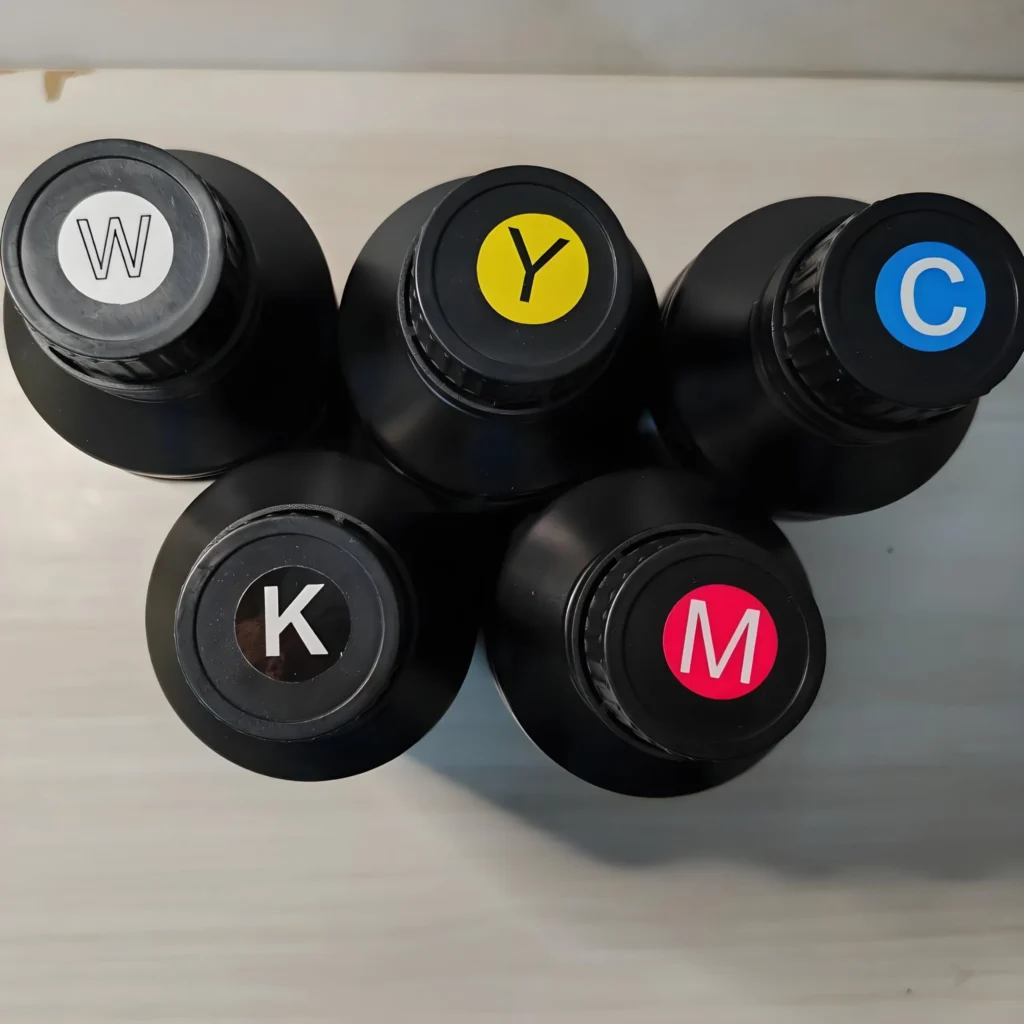
Most inkjet prints do not stand up to water. People often think these prints are waterproof, but that’s not true.
-
Most printers use dye-based inks that smear if they get wet.
-
Some prints need extra help, like sprays or coatings, to resist moisture.
Professional waterproof inks offer better protection, but every print can use a little extra care.
Inkjet Prints and Water Resistance
أنواع الحبر
Most inkjet prints do not handle water well because of the type of ink used. Many printers use water-based inks. These inks are often dye-based, which means they do not have waterproof properties. When water touches these prints, the ink can run and smear. Even if someone uses a waterproof paper, the ink itself may still smudge if it is not designed to resist water.
There are two main types of ink used in inkjet printers: dye inks and pigment inks. Dye inks usually offer bright colors, but they have low water resistance. Pigment inks, on the other hand, provide much better water resistance. They hold up well when exposed to water and even resist fading from sunlight. People who need their inkjet prints to last longer or survive in damp conditions often choose pigment inks.
Tip: If water resistance is important, look for printers that use pigment inks instead of dye inks.
Paper Matters
The type of paper used for inkjet prints makes a big difference in how well the print stands up to water. Some specialty papers have a waterproof ink-absorbing layer. This layer helps keep the ink in place and stops water from soaking through. These papers work well in humid places or anywhere prints might get wet.
The coating and makeup of the paper also affect how long a print lasts. High-quality coated papers help protect the image and keep colors sharp. Some water-resistant papers are coated on one side and are great for labels, packaging, or anything that needs to stay readable even if it gets splashed. People often use these papers for menus, maps, or outdoor signs.
-
High-grade water-resistant papers offer excellent print quality.
-
These papers are perfect for commercial printing and packaging.
-
Some specialty papers are also tear-resistant, cleanable, and even recyclable.
Printer Settings
Printer settings can also help improve the water resistance of inkjet prints. Choosing the right print mode and paper type in the printer’s menu helps the ink dry faster and stick better to the paper. Using the highest quality setting puts more ink on the page, which can help the colors last longer. Some printers let users adjust the amount of ink or drying time, which can make a big difference.
Note: Always match the printer settings to the type of paper and ink being used. This simple step can help prints resist water and look their best.
Making Inkjet Prints Water-Resistant
Protective Sprays
People use protective sprays to help prints resist water. Acrylic fixative sprays, like Danmajet, make a thin shield on the print. This shield blocks water, sunlight, and some scratches. Sprays come in matte, glossy, or satin finishes. You can pick the look you like. Using more than one coat gives better protection. Not all sprays work the same, so test a small spot first. Some sprays also help stop colors from fading in sunlight.

Tip: Always spray where air moves well. Let each coat dry before spraying again.
Lamination
Lamination is a strong way to protect prints. A thin plastic film covers the whole print. This keeps out water and humidity. Laminated prints can handle rain and spills. They do not curl or smudge in damp places. The plastic also stops scratches and keeps colors bright. It blocks UV rays too. People use lamination for menus, maps, and outdoor signs.
Practical Tips
Anyone who wants prints to last longer can try these ideas:
-
Use acrylic fixative spray for a quick, clear shield.
-
Laminate prints for the best water and scratch protection.
-
Try printable vinyl instead of paper for more water resistance.
-
Use a paint-on gloss sealer for extra strength.
-
Pick pigment-based inks for better waterproofing.
No method makes prints totally waterproof, but these steps help stop damage and keep prints looking good.
Most inkjet prints get ruined by water. People can make them stronger with smart choices. They should pick tough coatings or special papers. Pigment inks help prints last longer. Lamination or a fixative spray like Danmajet also helps. Each way gives some protection, but no print is totally waterproof. Users should choose what works best for them.