
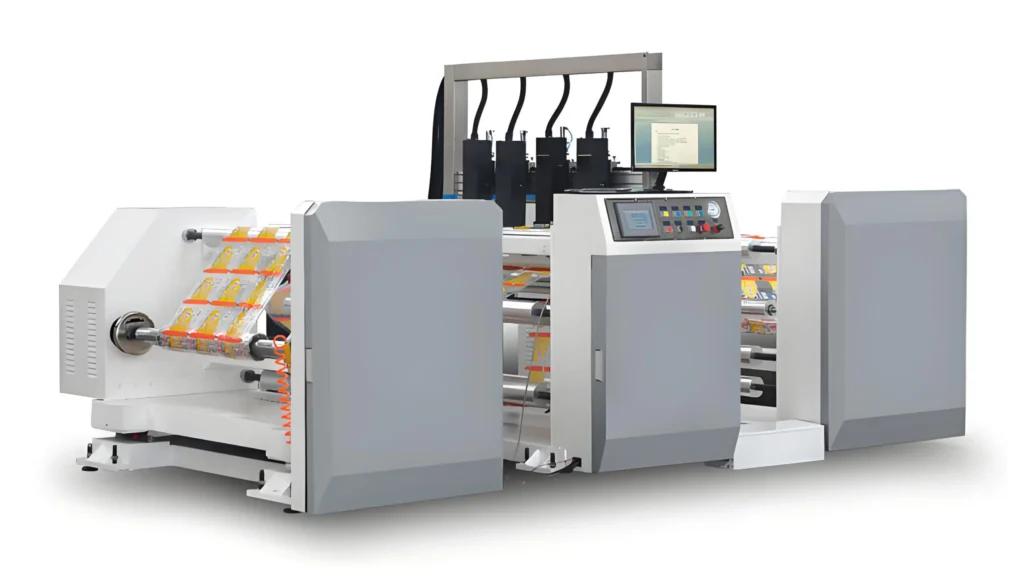
The printing industry has been buzzing about UV LED technology for years now. But one question keeps coming up—are UV LED printers actually energy efficient, or is it just marketing hype? Well, the short answer is yes. They really are. Though, like most things in manufacturing, the details matter quite a bit.
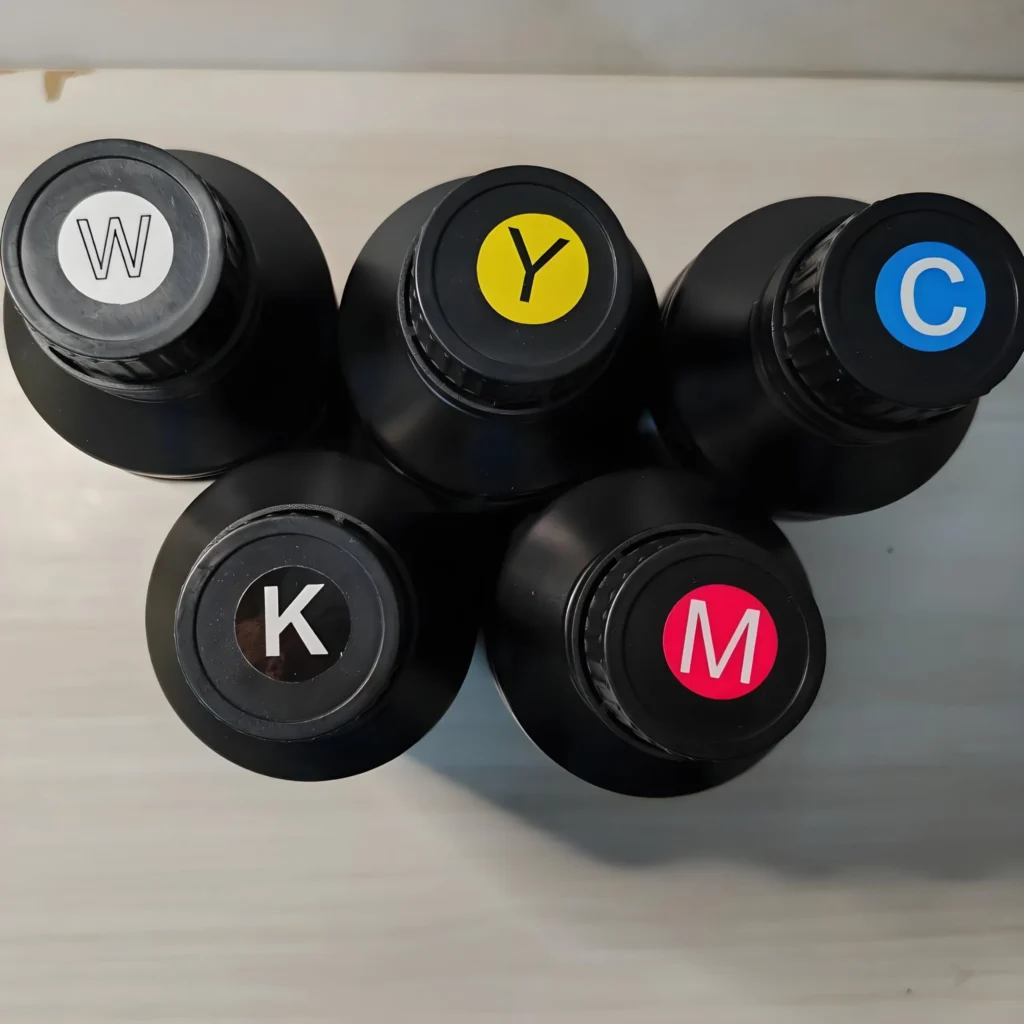
How UV LED Printers Actually Work
Traditional UV printing relies on mercury arc lamps to cure inks. These lamps run hot—extremely hot—and they need time to warm up before printing can even begin. UV LED printers take a completely different approach. They use light-emitting diodes to cure specialized inks almost instantly.
The difference in operation is pretty striking when you see it firsthand. Mercury lamps stay on constantly during production, wasting energy even during idle moments. UV LED systems? They switch on and off instantly. No warm-up period, no cool-down phase. Just immediate response.
The Real Numbers Behind Energy Savings
Talking about efficiency without actual figures seems a bit pointless, honestly. So here’s what the data generally shows:
| العامل | Traditional UV (Mercury) | UV LED Printers |
|---|---|---|
| Power Consumption | 150-200 watts per inch | 30-50 watts per inch |
| Warm-up Time | 5-15 minutes | Instant (0 seconds) |
| Lifespan | 1,000-2,000 hours | 10,000-20,000 hours |
| Heat Generation | عالية جداً | Significantly Lower |
| توفير الطاقة | Baseline | 50-75% reduction |
These numbers can vary depending on the specific model and manufacturer, obviously. But the general trend holds true across the industry. UV LED printers consistently use less power—sometimes dramatically less.
Why Lower Heat Matters More Than You'd Think
Energy efficiency isn’t just about electricity bills, though that’s certainly part of it. The reduced heat output from UV LED printers creates a kind of ripple effect throughout the entire printing operation.
Cooling System Requirements
Traditional UV systems generate so much heat that facilities often need additional air conditioning just to compensate. That’s extra energy consumption that rarely gets factored into efficiency calculations. UV LED printers run cooler, which means:
- Less strain on HVAC systems
- Reduced facility cooling costs
- More comfortable working environment
- Lower risk of substrate warping or damage
Substrate Flexibility
Because UV LED printers produce less heat, they can print on materials that would otherwise melt or distort. Heat-sensitive substrates like thin films, certain plastics, and even some papers become viable options. This isn’t directly about energy, sure, but it does reduce waste—which has its own environmental implications.
This versatility is crucial for modern print shops. For businesses that specialize in high-end output, such as those providing professional رقمي بالألوان الكاملة services, the ability to print on delicate materials without heat damage opens up new product lines. It allows for consistent quality without the waste associated with warped materials. Less waste equals better efficiency, technically speaking.
Operational Efficiency Beyond Raw Power Consumption
The instant on/off capability of UV LED printers deserves special attention. In busy production environments, printers don’t run continuously. There are pauses between jobs, shift changes, and unexpected delays. Traditional UV lamps typically stay on through all of this because restarting them takes time and shortens their lifespan.
With UV LED printers, operators can simply pause without penalty. The lights switch off, energy consumption drops to nearly nothing, and production resumes instantly when needed. Over an eight-hour shift with multiple breaks and job changes, these moments add up considerably.
The extended lifespan also factors into overall efficiency calculations:
- Fewer replacement parts needed over time
- Reduced manufacturing energy for new lamps
- Less downtime for maintenance and replacements
- Lower waste disposal concerns (no mercury)

Environmental Considerations Worth Mentioning
Mercury arc lamps contain, well, mercury. Disposing of them requires special handling due to environmental regulations. UV LED printers eliminate this concern entirely—no hazardous materials, no special disposal procedures.
Some might argue this isn’t strictly about energy efficiency. Fair point. But environmental impact and energy consumption are often interconnected in ways that aren’t immediately obvious. The full lifecycle of UV LED printers tends to be gentler on resources overall.
Are There Any Downsides?
It would be misleading to suggest UV LED printers are perfect in every situation. The initial investment typically runs higher than traditional alternatives. And while prices have dropped significantly over the past few years, that upfront cost still matters for smaller operations.
Some specialized applications may still require conventional UV curing, particularly when specific wavelengths or ink formulations are involved. The technology continues evolving, though, and these gaps keep shrinking.
The Bottom Line on UV LED Printer Efficiency
So, are UV LED printers energy efficient? The evidence points strongly toward yes. Between lower power consumption, instant on/off capability, reduced cooling requirements, and longer operational lifespans—the efficiency advantages seem pretty clear.
For businesses weighing the switch, the energy savings alone often justify the investment within a reasonable timeframe. Add in the operational benefits and environmental improvements, and UV LED printers make a compelling case. The technology has matured enough that it’s no longer a gamble. It’s become something closer to a sensible business decision for most printing applications. If you want to know more about UV LED painters, please read Are UV LED lights good for screen printing?