
Screen printing shops face a constant push-and-pull between upgrading equipment and sticking with what works. When UV LED lights started appearing as curing alternatives to traditional mercury vapor lamps, the industry response was… cautious. Some early adopters jumped in immediately, while others watched from the sidelines, waiting to see if the technology would actually deliver on its promises.
Several years in, there’s enough real-world data to answer the question properly. Are UV LED lights good for screen printing? The short answer is: mostly yes, with some caveats that matter depending on your specific operation. The longer answer requires looking at what “good” actually means in a production environment—speed, quality, cost, reliability, and operator experience all factor in.
For shops still running traditional UV systems (or even infrared dryers for some applications), understanding what LED technology actually delivers versus what marketing materials promise makes the difference between a smart investment and an expensive experiment.
What UV LED Lights Actually Change
The fundamental shift isn’t just about the light source—it’s about how curing happens and what that means for everything downstream.
The Curing Mechanism Difference
Traditional UV lamps emit broad-spectrum ultraviolet light, including wavelengths that generate significant heat. Mercury vapor systems throw off a lot of energy as heat, which affects substrates, workspace temperature, and ink behavior. UV LED lights emit narrow-spectrum UV at specific wavelengths optimized for photoinitiator activation. Less wasted energy means more efficient curing with dramatically less heat output.
That heat difference isn’t trivial. Screen printing on heat-sensitive substrates (thin plastics, certain fabrics, pre-printed materials) becomes significantly easier with LED systems. The material doesn’t warp, shrink, or discolor from heat exposure during curing. For shops doing specialized work, that alone can justify the switch.
Instant On/Instant Off
Traditional UV lamps need warm-up time—sometimes several minutes before they reach full intensity. They also degrade if cycled on and off frequently, so many shops just leave them running during production hours. UV LED lights reach full intensity instantly. No warm-up, no cooldown period, no degradation from power cycling.
The operational flexibility this creates is noticeable. Short runs become more efficient because there’s no setup wait time. Energy isn’t wasted during pauses between jobs. For shops with variable production schedules (rather than continuous high-volume runs), that efficiency compounds quickly.
The Practical Advantages (Why Shops Are Switching)
Beyond the technical specs, what do UV LED lights actually improve in day-to-day operations?
Energy Consumption Drops Significantly
The numbers vary by system, but LED UV typically consumes 60-80% less power than comparable mercury lamp systems. That’s not marketing exaggeration—it’s measurable on utility bills. For shops running multiple shifts or high-volume production, the energy savings can offset equipment costs within 18-24 months.
Lower power draw also means:
- Less demand on electrical infrastructure (matters when adding capacity)
- Reduced cooling requirements for the workspace
- Lower summer air conditioning costs (traditional lamps radiate a lot of heat)
Longer Operational Life
Mercury lamps degrade over time, typically requiring replacement every 1,000-2,000 hours of operation. Their output intensity drops gradually, which can create curing inconsistencies if not monitored carefully. UV LED lights are rated for 20,000-50,000 hours depending on the system—sometimes longer.
That extended lifespan means fewer replacement costs, less production downtime for lamp changes, and more consistent output over years of operation. The maintenance schedule simplifies considerably.
Better for Certain Inks and Substrates
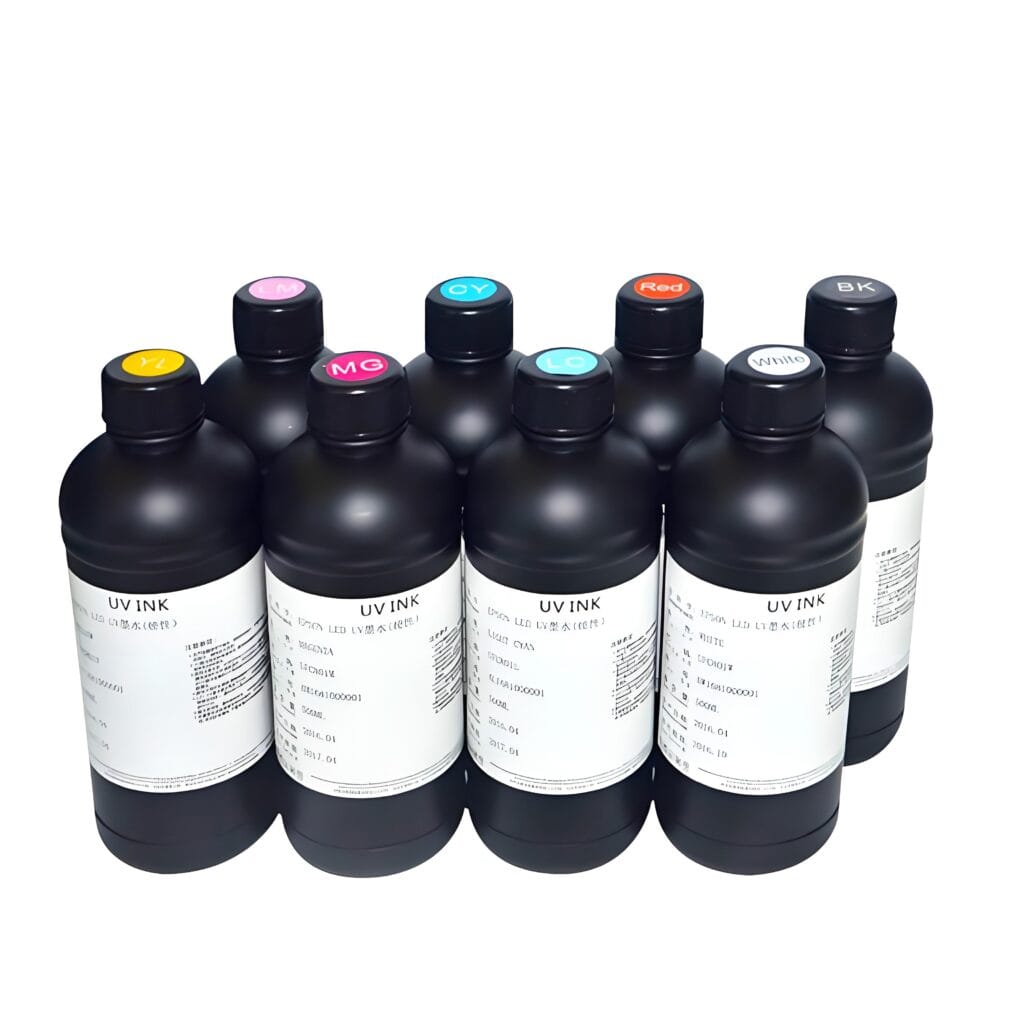
UV LED technology has driven ink manufacturers to develop LED-optimized formulations. These inks cure more efficiently under LED wavelengths, often with better adhesion and color retention than traditional UV inks under mercury lamps. Not all UV inks work equally well with LED systems (more on that later), but the ones formulated specifically for LED often outperform conventional alternatives.
For specialty applications—printing on glass, metal, or unusual plastics—LED-cured inks sometimes achieve adhesion that traditional systems struggle with. The narrower wavelength spectrum allows for more precise formulation targeting.
Environmental and Safety Benefits
Lower energy consumption obviously reduces carbon footprint, but there are other environmental advantages:
• No mercury disposal issues (mercury lamps require hazardous waste handling)
• Reduced ozone production (traditional UV systems generate ozone as a byproduct)
• Less workplace heat (more comfortable for operators, especially in summer)
• No UV-C emissions (some traditional systems emit UV-C, which requires shielding)
OSHA and environmental regulations continue tightening, and UV LED lights help screen printers stay ahead of compliance requirements rather than scrambling to meet them.

Where UV LED Lights Fall Short (The Honest Part)
No technology is perfect for every situation. UV LED lights have limitations that matter for certain operations.
Upfront Cost Is Substantial
This is the biggest barrier. LED UV systems cost 2-4x more than comparable traditional UV units. For small shops or operations with tight capital budgets, that premium is significant. While energy savings and longer lamp life create long-term ROI, the initial investment requires either available capital or financing—which not every business can secure easily.
The cost differential is narrowing as LED technology matures and production scales up, but it’s still substantial enough to be a real decision point.
Not All Inks Cure Properly
Traditional UV inks formulated for mercury lamp systems don’t always cure correctly under LED wavelengths. The photoinitiators in older ink formulations are optimized for broader UV spectrum. Some will cure partially under LED, creating adhesion or durability issues down the line. Others won’t cure at all.
Switching to LED often requires switching ink suppliers or formulations, which introduces variables:
- Color matching may differ between traditional UV and LED-cured versions
- Pricing on LED-optimized inks varies (sometimes higher, sometimes comparable)
- Testing and approval processes for new inks take time
For shops with established color standards or specific ink requirements (Pantone matching, food-safe certifications, etc.), this isn’t a trivial concern.
Limited Output Intensity on Some Systems
High-volume production sometimes requires maximum curing intensity to maintain line speeds. While UV LED lights have improved dramatically, some applications still benefit from the raw power output of traditional mercury systems. Thick ink deposits, heavily pigmented whites, or certain metallic inks may cure faster or more completely under high-intensity mercury lamps.
This is application-specific rather than a universal limitation, but it matters for shops pushing maximum throughput on demanding substrates.
Table: UV LED vs. Traditional UV Systems Comparison
| العامل | UV LED Lights | Traditional Mercury UV | Winner |
|---|---|---|---|
| استهلاك الطاقة | 60-80% lower | Baseline (higher) | LED |
| Lamp Lifespan | 20,000-50,000 hours | 1,000-2,000 hours | LED |
| Initial Equipment Cost | 2-4x higher | Baseline (lower) | Traditional |
| Heat Output | الحد الأدنى | Significant | LED |
| Ink Compatibility | Requires LED-formulated inks | Works with standard UV inks | Traditional |
| Startup Time | Instant | 3-5 minute warm-up | LED |
| Mercury Disposal | None | Required (hazardous waste) | LED |
| Maximum Intensity | Good for most applications | Highest available | Traditional |
| Maintenance Frequency | Very low | Regular lamp replacement | LED |
Cost Analysis Beyond the Sticker Price
Making a smart decision about UV LED lights requires looking beyond just equipment costs.
Total Cost of Ownership
When comparing systems, the relevant number is total cost over the equipment’s useful life:
1. Initial purchase price
2. Installation costs (electrical requirements may differ)
3. Energy consumption over expected lifespan (calculate based on actual usage hours)
4. Lamp replacement costs (mercury lamps add up over years)
5. Maintenance labor (changing lamps requires downtime)
6. Ink cost differences (LED inks may price differently)
7. Disposal costs (mercury lamps require hazardous waste handling fees)
For many operations, even with 3x higher initial cost, LED systems break even in 2-3 years and become significantly cheaper over 5-7 year periods. The math changes based on production volume—high-volume shops reach break-even faster.
Productivity Factors
Energy costs are measurable, but productivity impacts are harder to quantify yet sometimes more significant:
• Faster job changeovers (no warm-up time between runs)
• Reduced substrate waste from heat damage
• More consistent curing (less quality control rejection)
• Expanded substrate capabilities (opens new revenue opportunities)
These factors don’t appear on equipment spec sheets but affect profitability directly.
Making the Switch (What Actually Matters)
For shops considering UV LED lights, a few practical considerations can prevent expensive mistakes.
Match Technology to Production Needs
Not every shop benefits equally from LED conversion. Evaluate based on:
• Production volume: High-volume operations see faster ROI
• Substrate variety: Heat-sensitive materials benefit most from LED
• Job mix: Short runs and frequent changeovers favor LED’s instant-on capability
• Space constraints: LED systems produce less heat, making them better for smaller facilities
• Environmental goals: LED offers clear sustainability advantages
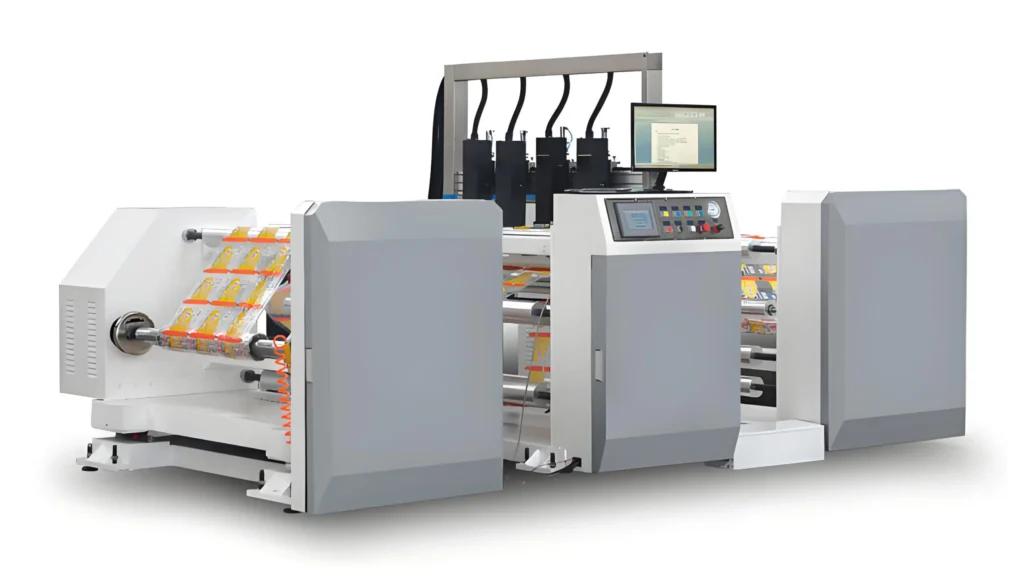
It’s also worth considering whether screen printing with UV LED curing is the right approach for your specific application at all. For operations focused primarily on label production—especially high-volume coding, variable data printing, or batch tracking—a dedicated خط ترميز الملصقات النافثة للحبر might deliver better throughput and flexibility than adapting screen printing equipment. These integrated systems combine inkjet printing with inline UV curing (often LED-based) optimized specifically for label substrates and production speeds. For shops doing both traditional screen printing and label work, understanding which processes justify dedicated equipment versus shared systems affects both capability and long-term ROI.
Test Before Full Commitment
Many equipment suppliers offer demo units or trial periods. Actually running production jobs on LED systems before purchasing reveals compatibility issues with specific inks, substrates, or design requirements. Testing also lets operators experience the workflow differences firsthand, which matters for adoption and efficiency.
Plan the Ink Transition
Switching light sources often means switching ink suppliers or formulations. This deserves careful planning:
• Get samples of LED-compatible inks from multiple suppliers
• Test color matching against existing standards
• Verify cure performance on actual production substrates
• Calculate price differences and availability
• Build inventory transition timing into the equipment switch
Running parallel systems temporarily (keeping old UV for certain jobs while transitioning to LED for others) can smooth the changeover, though it requires space and adds complexity.
الخاتمة
So, are UV LED lights good for screen printing? For most modern operations, yes—the energy savings, longer lamp life, and reduced heat output create tangible advantages that justify the higher upfront cost. The technology has matured past experimentation into proven, high-volume production use.
That said, they’re not universally superior. Low-volume shops with limited capital, operations with legacy ink systems, or certain high-intensity applications may still find traditional mercury lamps more practical. The upfront cost premium remains a real barrier for smaller businesses.
The question really comes down to evaluating your specific operation honestly. High-volume production, heat-sensitive substrates, frequent job changeovers, or environmental compliance goals all tip the scales strongly toward LED. For screen printers planning equipment investments for the next 5-10 years, UV LED lightsincreasingly represent the direction the industry is moving—the real question is whether the timing and fit are right for your shop right now.