

In the printing industry, “Green” is the favorite color of every marketing department. Whether you are at a trade show or reading a brochure, you will see badges proclaiming “Eco-Friendly,” “Sustainable,” and the holy grail: “Zero VOCs.”
UV curing technology has largely ridden this wave, positioning itself as the clean alternative to the chemical-heavy solvent days of the past. But for those who spend time on the production floor, breathing in the air near the curing lamps, the question remains a bit murky. Are UV inks VOC free?
The answer is yes. And no. It depends entirely on how you define “free” and, frankly, how you define a VOC.
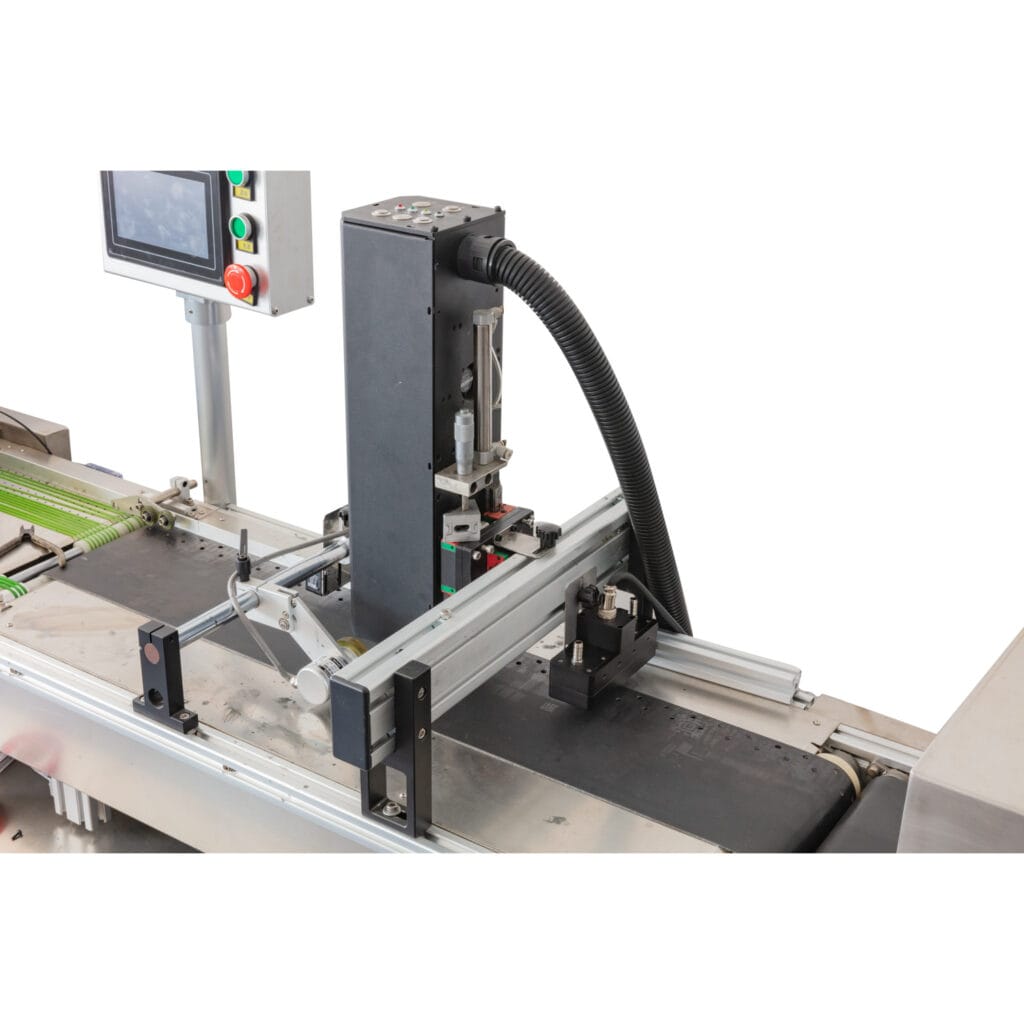
The "100% Solid" Argument
The biggest selling point for UV technology is that it is a “100% solid” system. To understand why this matters, one has to look at how the old school did it.
Traditional solvent-based inks work by evaporation. You put wet ink on vinyl; the solvents (which are Volatile Organic Compounds) evaporate into the air, leaving the pigment behind. That evaporation is the pollution. It’s why solvent print shops smell like a chemical factory and need massive ventilation systems.
UV ink is different. It doesn’t dry; it cures. When the UV light hits the liquid ink, a chemical reaction happens instantly, turning the liquid monomers and oligomers into a solid polymer chain. Ideally, nothing evaporates. Everything that was in the liquid state remains on the substrate in a solid state.
So, theoretically, the UV inks VOC emission should be zero. But in the real world, chemistry is rarely that neat and tidy.
Defining VOCs (It’s Messier Than You Think)
Part of the confusion comes from the regulators themselves. What counts as a Volatile Organic Compound?
• In the US (EPA): They generally define VOCs based on their potential to create smog (photochemical reactivity).
• In Europe: The definition is often based on boiling points and vapor pressure.
Because of these shifting definitions, an ink manufacturer can technically claim a product is “VOC Free” based on one standard, even if it contains trace amounts of chemicals that might be considered volatile under different conditions. It’s a bit of a loophole.
For example, some components in UV ink might have a very low vapor pressure at room temperature (meaning they don’t fume). But stick them under a high-intensity mercury vapor lamp that generates heat? They might start to off-gas.
Where the Hidden Emissions Come From
If you walk into a shop running high-speed UV flexo or wide-format UV printers, you notice a smell. It’s a distinct, acrid scent—often described as “sweet” or “sharp.” If there are zero VOCs, what is that smell?
The Photoinitiator Factor
The magic ingredient in UV ink is the photoinitiator. This is the chemical that reacts to light. When it gets hit by UV energy, it splits apart to start the curing chain reaction.
These split byproducts don’t always become part of the final plastic film. Some of them are small, volatile molecules that can escape into the air. This is especially true with:
• Standard Mercury Arc Lamps: These run hot. The heat can cause certain components to volatilize before they cure.
• Over-Curing: Too much energy can break down the ink components, releasing fumes.
The "Passive" VOCs
Even if the UV inks VOC levels are technically negligible, the process introduces other pollutants.
1. Ozone: Traditional UV lamps create ozone (O3) as a byproduct of the UV light interacting with oxygen. Ozone is a lung irritant and technically a pollutant, though not an “ink VOC.”
2. Cleaning Solvents: You can’t clean UV ink with water. You need aggressive chemicals to wash the press. Often, the VOCs in a UV shop aren’t coming from the printing, but from the rag used to wipe the print heads.
Comparing the Technologies
It helps to see where UV stands in the broader عائلة الأحبار. It isn’t perfect, but compared to the alternatives in the lineup of print chemistries, it looks pretty good.
Table 1: Approximate VOC Risks by Ink Type
| Ink Technology | Curing Method | Estimated VOC Content | Primary Hazzard Source |
|---|---|---|---|
| Solvent / Eco-Solvent | Evaporation (Heat) | High (40% - 70%+) | The carrier liquid evaporating into the air. |
| Water-Based (Aqueous) | Evaporation (Heat/Air) | Low (< 10%) | Co-solvents (alcohols) used to aid drying. |
| Traditional UV | Photopolymerization (Mercury Lamp) | Ultra-Low (< 1%) | Decomposition byproducts & Ozone generation. |
| LED UV | Photopolymerization (LED) | Near Zero | Very low heat reduces off-gassing risks. |
The Practical Reality for Shop Owners
From an observational perspective, the shift to UV is undeniable, regardless of the molecular technicalities. A shop running solvent printers needs ventilation stacks that go through the roof. A shop running UV printers might just need a standard air filtration unit.
However, calling it “Safe” or “Free” can lead to complacency.
• Skin Irritation: UV ink in its liquid form is a known irritant. It contains acrylates (monomers) which can cause allergic reactions (dermatitis) if they touch the skin.
• Ventilation is still key: Just because the UV inks VOC count is low doesn’t mean the air is fresh. The odor of acrylates alone can cause headaches for operators working a 12-hour shift.
It is also worth noting that “Low Migration” UV inks (used for food packaging) are a different beast entirely. These are engineered specifically so that nothing—VOCs or otherwise—moves from the ink to the product. They represent the cleanest end of the UV spectrum.
The LED UV Revolution
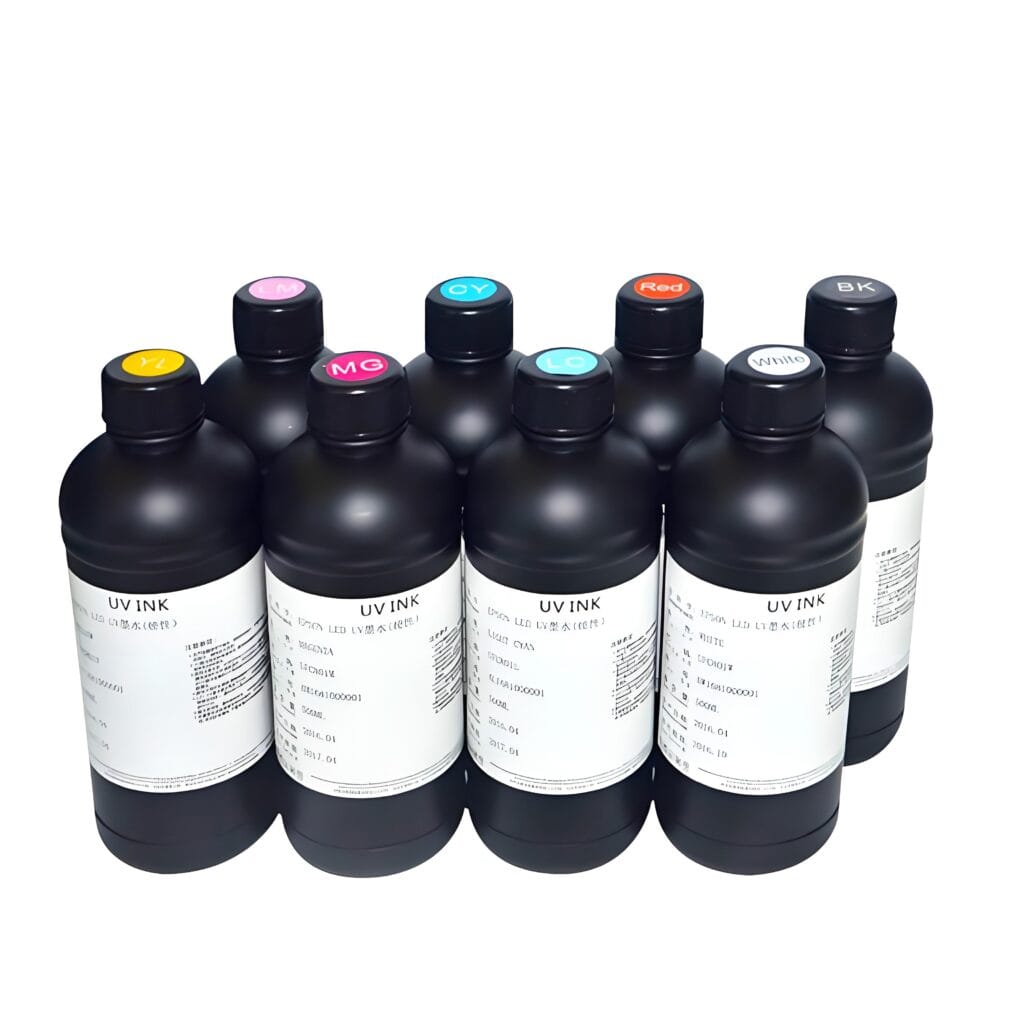
If we are splitting hairs about VOCs, we have to mention LED UV. This is the modern evolution of the technology.
Old UV lamps get incredibly hot—sometimes heating the substrate to over 100°C (212°F). As mentioned earlier, heat encourages volatility. LED UV lamps run cool. Because there is almost no heat transfer to the ink or the media, the chance of accidental off-gassing drops significantly. If you are looking for the truest “Zero VOC” experience, LED is as close as the industry gets right now.
الخاتمة
So, are UV inks VOC free?
If you are a lawyer or a regulator, the answer is “Yes, mostly.” They meet the strictest environmental standards in California and the EU. They are lightyears ahead of solvent inks in terms of air quality.
If you are a press operator with a sensitive nose, the answer is “Sort of.” There are byproducts. There is an odor. There is a chemical reaction happening right in front of your face. While the ink itself doesn’t rely on evaporating solvents to work, the process isn’t as chemically inert as water.
For the vast majority of applications, UV is the eco-friendly champion it claims to be. But like everything in industrial manufacturing, it deserves to be handled with respect, proper ventilation, and a healthy dose of skepticism toward the word “Zero.”